
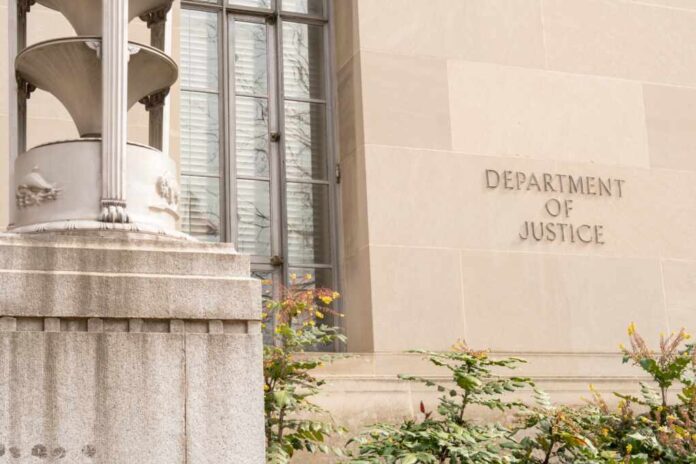
The federal government’s $200 million compensation fund for Backpage.com trafficking victims is not only the largest in American history, but it also sends a clear message about the consequences of enabling illegal activity online and the enduring importance of victim restitution.
Story Snapshot
- The DOJ launches a record-setting $200 million compensation fund for Backpage.com human trafficking victims.
- Criminal forfeiture from Backpage’s convicted owners directly funds victim restitution.
- Victims can now apply for financial compensation through a DOJ-run process.
- This unprecedented fund sets a new standard for holding online platforms accountable.
DOJ Announces Largest-Ever Compensation Effort for Trafficking Victims
The Department of Justice has initiated the nation’s largest victim compensation program following the conviction of Backpage.com’s founders and executives for facilitating sex trafficking and money laundering. On July 31, 2025, the DOJ formally announced the opening of its $200 million fund, sourced entirely from assets seized as part of the criminal case against Backpage’s leadership. Officials described this as a “historic step” in using criminal forfeiture to provide restitution directly to those harmed by the platform’s activities.
Backpage scandal ends in largest US payout to trafficking victims https://t.co/axZ1DGjF9f
— Ars Technica (@arstechnica) August 1, 2025
Backpage, once the world’s largest classified site for adult services, faced mounting pressure from law enforcement and advocacy groups for years due to its role in enabling sex trafficking, including the trafficking of minors. After a series of lawsuits, Congressional hearings, and investigative reports, federal authorities seized the website in 2018. The ensuing legal battle resulted in guilty verdicts for key executives and the forfeiture of millions in illicit profits, now repurposed for victim compensation.
Victims and Advocacy Groups Welcome Unprecedented Restitution
The compensation fund, now operational, invites eligible individuals who were trafficked via Backpage.com to apply for financial relief. The DOJ has published application procedures and launched outreach efforts to ensure that those entitled to restitution are informed and supported throughout the process. Advocacy organizations such as the National Center on Sexual Exploitation and Polaris praised the fund’s scale and the government’s commitment to survivor justice, noting the “transformative impact” direct compensation can have on the lives of trafficking survivors.
Legal experts have underlined the importance of linking criminal asset forfeiture to victim restitution. This approach not only delivers tangible support to those harmed, but also serves as a powerful deterrent to other online platforms that might otherwise turn a blind eye to illicit activity for profit. The DOJ’s action sets a clear precedent for future enforcement, signaling that the government will aggressively pursue both criminal accountability and meaningful victim support in cases involving large-scale online exploitation.
Implications for Victims, Industry, and Policy
In the short term, the fund is expected to provide direct financial relief to hundreds, potentially thousands, of trafficking survivors, while also raising public awareness about the persistent risks of online exploitation. Over the long run, the Backpage case establishes a new model for using seized criminal assets to support victims, rather than allowing those funds to disappear into general government coffers or remain out of reach due to lengthy legal wrangling.
The repercussions for the tech and online advertising sectors are significant. Platform operators now face heightened scrutiny and a clear warning that enabling trafficking or illegal content can result in severe legal and financial consequences. Many companies are expected to strengthen compliance measures and invest in more robust monitoring to avoid similar liability. Meanwhile, the compensation fund’s scale and visibility have drawn bipartisan praise, reinforcing widespread public and political support for tough anti-trafficking enforcement and platform accountability.
Expert and Community Perspectives
Survivors, their families, and advocacy groups see the fund as overdue recognition of the harm suffered and an essential step toward healing. DOJ officials have emphasized that this is not only about money, but about justice and deterrence. While most stakeholders support the DOJ’s action, some civil liberties organizations have voiced concerns about due process and the risk of overbroad enforcement impacting lawful online speech. Academic experts caution that while the fund is a milestone, ongoing support and systemic reforms remain vital to addressing trafficking’s root causes.
Despite these nuanced discussions, the core facts of the case—size of the fund, its source, and its purpose—are consistently reported across DOJ statements and major news outlets. The DOJ’s own press releases confirm all procedural and factual details, and no major contradictions have emerged among reputable sources. With the compensation process now underway, the Backpage case stands as a defining moment in America’s ongoing fight against human trafficking, and a powerful reminder of the need for strong, principled enforcement rooted in the defense of freedom, family, and justice.