Washington’s latest “deal is done” claim risks turning high-stakes Iran talks into another trust test most Americans think their leaders keep failing.
Story Snapshot
- Trump says a U.S.–Iran agreement is approved in concept and detail, with a possible weekend signing [1][5].
- Axios reports the text is still being edited after Trump requested changes, so talks continue [2].
- The reported framework points to a 60-day ceasefire window tied to nuclear talks and shipping lanes [1][11].
- Past U.S. exit from the 2015 nuclear deal shadows current trust on both sides [3][6][8].
What The White House Says Is Coming Next
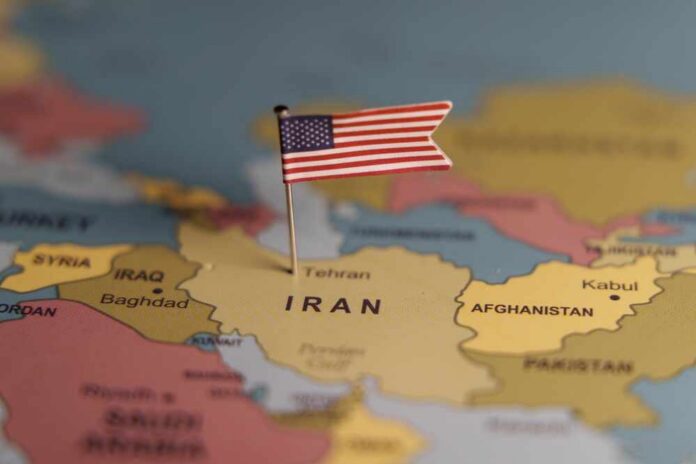
President Donald Trump said a deal to wind down the war with Iran has been approved “in concept and great detail” by involved parties. He linked that claim to his decision to cancel planned strikes and teased a possible weekend signing event [1][5]. Reports describe a draft that could pause fighting for 60 days, cover Lebanon, reopen key shipping lanes, and launch nuclear talks during the pause, framing it as a memorandum of understanding rather than a treaty [1][9][11].
Officials and media briefings describe goals that touch daily life and global markets. A ceasefire would aim to slow missile and drone attacks. An open Strait of Hormuz would let oil and goods move with fewer risks. Nuclear talks would try to set limits that reduce the chance of a crisis flaring again soon [9][11]. Supporters say even a short pause can save lives and give space for a broader plan. Skeptics note short pauses often slip without strong enforcement.
Why The “Deal Is Close” Story Keeps Shifting
Axios reported that Trump asked for edits to the understanding his envoys reached, which pushed negotiators back to work and signaled the deal was not final [2]. Public comments have swung between “largely negotiated” and “subject to finalization,” which fits a common pattern in ceasefire and nuclear talks where leaders announce momentum before ink dries [9][14]. Media have also tracked many “deal soon” statements over recent months, which can dull public trust when deadlines slip [4].
Iran’s public sign-off has remained less clear than U.S. claims suggest. Coverage noted that Trump listed several governments that approved the plan, while some reports flagged that Iran was not clearly on that list, raising red flags about whether Tehran had locked terms [1][7]. That gap matters. A ceasefire or nuclear step only holds if both sides accept the same text. Mixed messages now could become disputes later over inspections, timelines, or sanctions relief.
The Shadow Of 2018 And Today’s Trust Gap
The United States left the 2015 nuclear deal in 2018 and reimposed sanctions, with Trump calling the pact one-sided and weak on missiles and regional activity [3][6][8][12]. That history shapes today’s talks. Tehran doubts Washington will keep promises after one election can reverse course. Washington doubts Tehran after years of proxy attacks and uranium advances. Each side wants front-loaded wins, which makes sequencing hard. Fail-safes, snap-backs, and clear timelines will likely decide whether this deal sticks.
#Stock futures tick 📈 as Wall Street gears up for #SpaceX’s historic IPO, all 👀 as it debuts, Today, at $135 p/s#President Trump signaled that the U. S. & Iran could soon sign a peace deal#Terms of agreement – "Iran will never have a nuclear weapon" https://t.co/jhJG1KkXwB
— Cindy Sigalow (@CindySigal50395) June 12, 2026
Americans across parties share a worry: leaders oversell progress, markets jump, and families pay when promises fade. Voters on the right fear a weak deal that lets Iran regroup while U.S. troops still face danger. Voters on the left fear a photo-op that ignores human rights and long-term safeguards. Both camps see powerful insiders make moves behind closed doors while the public gets headlines, not details. Clear text, public benchmarks, and honest updates could start to rebuild trust.
What To Watch To Tell If This Is Real
First, look for a signed document and the exact length of the ceasefire. Second, check whether the Strait of Hormuz opens with verifiable steps and joint statements. Third, read nuclear terms for caps, inspections, and timelines. Fourth, track whether Israel and Lebanon are named in de-escalation clauses. Finally, watch Congress and Iran’s leadership for signs they will accept enforcement. Without these pieces, this could be another “deal close” headline that fades [1][9][11].
Sources:
[1] Web – Trump Is Raising Expectations that This Time He Really Will Close Deal …
[2] Web – Donald Trump says agreement approved by US, Iran, Israel, others …
[3] Web – Trump requests edits to Iran deal his envoys negotiated – Axios
[4] Web – President Donald J. Trump is Ending United States Participation in …
[6] YouTube – Trump announces possible weekend signing ceremony
[8] YouTube – Iran Not On List of Countries Trump Says Have Agreed to Deal
[9] Web – What Is the Iran Nuclear Deal? | Council on Foreign Relations
[11] YouTube – Trump Claims Iran War Ends Today, Says Peace Deal …
[12] Web – Exclusive: What’s inside the Iran deal Trump is close to signing – …