A pro-Trump pollster warning Sean Hannity that Republicans may not show up to vote is another flashing red light that both parties’ leaders are misreading the mood of an exhausted country.
Story Snapshot
- MAGA-aligned pollster Matt Towery told Sean Hannity he is “concerned” about low Republican turnout in a key Georgia runoff.[1]
- Towery cited Democrats leading Republicans by about 150,000 early votes, calling it “not a good sign” despite GOP polling advantages.[1]
- The episode highlights how turnout, not just polls, increasingly decides elections in a skeptical, burned-out electorate.[1]
- Voters on both left and right see warnings like this as proof that political insiders focus on gamesmanship, not solving real problems.
A MAGA Pollster Sounds the Alarm on Republican Turnout
Fox News host Sean Hannity invited longtime Republican pollster and analyst Matt Towery onto his show to discuss upcoming Georgia runoff elections, expecting reassurance that polling leads meant Republicans were safe.[1] Instead, Towery admitted on air that he was “worried about the turnout of Republicans,” describing the numbers he was seeing as “not a good sign.”[1] That kind of candid warning, delivered to a friendly conservative audience, underscored how fragile Republican advantages can be when voter enthusiasm slips.
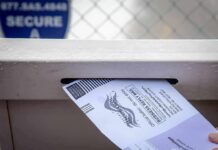
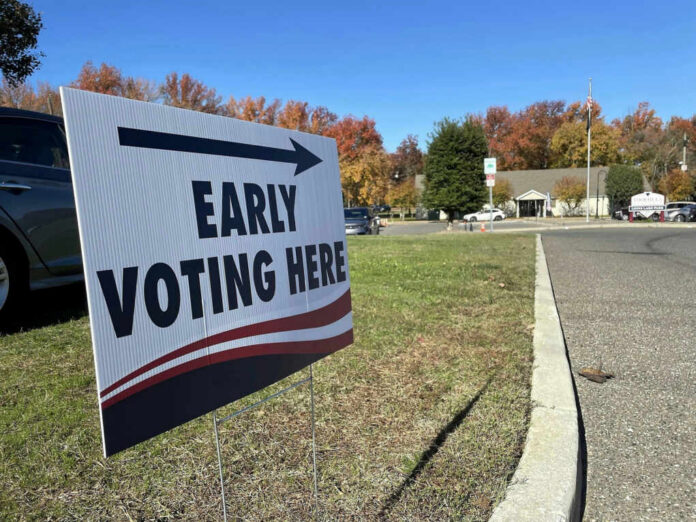
According to Mediaite’s summary of the interview, Towery pointed to a specific and concrete red flag: Democrats had outpaced Republicans by roughly 150,000 early voters in Georgia.[1] Early voting numbers do not decide an election by themselves, but they do reveal which side’s base feels more motivated to participate. When a pollster known for working with Republican and “America First” figures says that gap worries him, it suggests concern that the party’s voters may be tuning out, even when polls still look favorable.[1]
Who Is Matt Towery, and Why His Warning Matters
Matt Towery is not an outsider taking potshots from the sidelines; he is a Georgia-based political analyst, attorney, and former Republican state legislator who chairs the polling firm InsiderAdvantage.[2] He has spent decades advising Republican candidates and offering commentary on conservative media outlets, including Fox News affiliates.[2] That background makes him part of the political class many voters distrust, but it also means his anxiety about turnout carries weight inside Republican circles that usually prefer optimistic talking points.
Coverage of Towery’s work in local outlets describes him as an established part of the state’s political ecosystem, regularly conducting polls on tight Georgia races. In a separate Georgia runoff survey, Towery’s InsiderAdvantage polling showed Republican candidates holding clear, if not overwhelming, leads. Yet he still stressed that “very light voter participation” could make those leads meaningless if Democrats organized better. This combination—solid polls but warnings about apathy—captures the reality that neither party can rely on brand loyalty in an age when many Americans think the entire system is rigged against them.
Turnout vs. Polls: What the Georgia Numbers Reveal
The tension between positive polls and weak turnout is central to the Georgia story. Towery’s polling found front-runners in Republican runoffs ahead but not by landslide margins. In such races, a turnout disadvantage of 150,000 early votes can matter more than a few points of polling lead.[1] Early-vote disparities often reflect deeper enthusiasm gaps—how fired up each side’s voters feel about voting at all in a system they increasingly view as serving elites instead of ordinary citizens.
The available record does not yet include official statewide turnout figures to confirm exactly how that early-vote gap evolved through Election Day.[1] Nor does it provide a full Fox News transcript to show every qualifier Towery may have added to his remarks.[1] Still, the on-air admission that the early voting picture was “troubling” highlights a structural problem for Republicans and Democrats alike: polling snapshots cannot fix an electorate that doubts anyone in Washington will address illegal immigration, rising costs, or a widening gap between the powerful and everyone else.
Why Both Sides See This as More Evidence the System Is Failing
For many conservatives, hearing a pro-Trump pollster warn that Republican voters are staying home feeds long-standing anger about “woke” priorities, globalist trade deals, and high energy costs that they believe Washington has not corrected.[1] If Republican leaders cannot even turn out their own base in friendly territory, it raises questions about whether campaign messages are addressing those frustrations or just recycling slogans. Warnings from insiders like Towery may sound like technical analysis, but they land as confirmation that the party risks taking its voters for granted.
Liberals, meanwhile, see early-vote advantages and still worry that their turnout edge may not overcome gerrymandered districts, voter suppression fears, or a sense that corporate lobbyists call the real shots in both parties.[1] When a conservative-leaning pollster warns that “light voter participation” could flip outcomes, it reinforces a broader perception that elections are being waged on the margins instead of through clear, decisive mandates. In that world, a relatively small group of voters—those still willing to show up—can steer policy for millions who feel shut out of the American Dream.
Media Framing, Spin, and the Deepening Trust Gap
Mediaite framed Towery’s remarks with the headline “MAGA Pollster Admits… Not a Good Sign,” compressing a nuanced turnout analysis into a simple storyline that Republicans are in trouble.[1] That kind of framing is common on both left- and right-leaning outlets and often turns technical warnings into partisan talking points. Without the full Fox News transcript, it is hard to judge exactly how far Towery went, but the headline alone encourages audiences to see the segment as either a confession of weakness or, to skeptics, another round of media spin.[1]
For a growing number of Americans in both parties, this episode is less about one Georgia runoff and more about the game they feel shut out from. Pollsters, television hosts, and consultants argue over turnout models while millions struggle with inflation, housing costs, medical bills, and stagnant wages. A pollster nervously telling Hannity that Republican voters might not show up is another reminder that political insiders focus on who wins the next news cycle, while voters want leaders who will finally confront the entrenched interests—what many call the deep state—that seem to be running the show no matter which party is ahead.[1][2]
Sources:
[1] Web – MAGA Pollster Admits to Hannity He’s ‘Concerned’ About GOP Turnout: …
[2] Web – MAGA Pollster Admits to Hannity He’s ‘Concerned’ About GOP Turnout