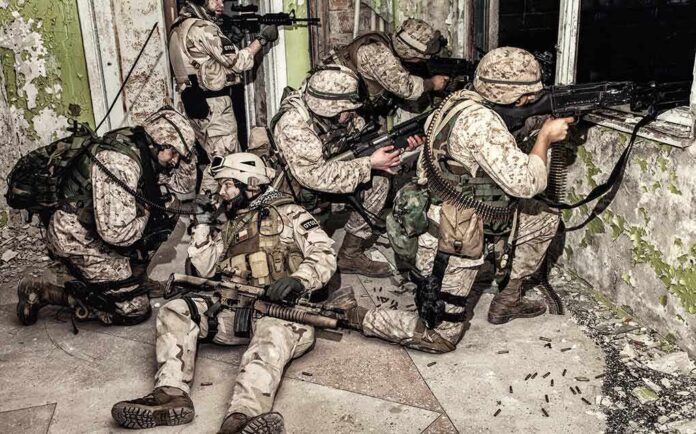
Colombia has authorized joint anti-drug military operations with the United States, signaling a sharper turn in a decades-long war against cartels that fuels violence at home and addiction abroad.
Story Highlights
- Colombia authorized joint operations with U.S. forces targeting drug traffickers, U.S. officials said.
- Bogotá earlier affirmed ongoing cooperation using U.S. intelligence and technology.
- The move builds on years of shared training, funding, and interdiction work.
- Officials have not publicly detailed the scope or rules for “joint operations”.
What Officials Announced And Why It Matters
U.S. defense officials said Colombia has authorized joint military operations with the United States against drug traffickers, describing an expansion of shared efforts to dismantle narco-networks. Colombia’s government earlier pledged to keep working with Washington by using American intelligence and technology to fight trafficking. Together, these statements point to deeper security cooperation. They also raise hard questions that both the right and left share about power, oversight, and results after many years of costly anti-drug campaigns.
The announcement lands as President Trump pushes a tougher regional posture. U.S. and Colombian teams have kept operational ties despite past political friction, according to reporting on law enforcement cooperation. This matters at home because cocaine and fentanyl-linked supply chains still hit U.S. towns. It matters in Colombia because cartels corrupt local life and governance. Both publics want safety and accountability. Many also worry that big promises often outpace clear rules and measurable wins.
What “Joint Operations” Usually Cover
U.S.-Colombia anti-drug work has long included shared intelligence, training, maritime patrols, and interdictions. A joint statement from the U.S.-Colombia counternarcotics group emphasized increased interdiction, joint training, capacity building, and intelligence sharing. Those terms can range from advising and planning to direct action at sea or on land. Officials have not released a detailed legal framework for new joint steps, so the exact scope, command roles, and rules of engagement remain unclear to the public.
That lack of detail is not new. The two countries have built a standing partnership over decades that often runs on memoranda and working groups rather than splashy treaties. Colombia’s security forces have also trained regional partners and led large interdiction efforts, showing how institutional this has become. The risk is that broad labels like “joint operations” can mask big differences in what will actually happen—and who answers when things go wrong.
The Record: Billions Spent, Mixed Outcomes
Since 2000, the United States has invested more than $10 billion in Colombian counternarcotics and security aid, according to research on the partnership’s history and impact. These funds backed eradication, interdiction, and force support. The investments helped Colombia avoid state collapse and weakened insurgent groups, researchers note. Yet cocaine supply shifted and adapted. Trafficking routes changed. Street prices and overdose patterns in the United States moved with global demand and cartel tactics, not only with seizures.
Colombia joins US anti-drug cartel fight
Bogota authorises joint US operations @BislaDiksha has more on this pic.twitter.com/WPaLpZQLhb
— WION (@WIONews) August 13, 2026
Colombia’s security bodies have scored major seizures and coordinated large multinational missions, including a 2024 maritime effort that netted drugs worth billions by official estimates. Still, cartels continue to evolve. This is why new pledges grab attention but also draw skepticism. Taxpayers want to see fewer drugs on streets, less violence, and cleaner governance. Families want solutions that break the cycle, not just new missions with new slogans.
What To Watch Next: Rules, Results, And Oversight
First, watch for clarity on mission types. Will joint work center on maritime interdiction, air tracking, intelligence fusion, or ground raids? Second, look for public metrics that tie actions to results people feel: safer neighborhoods, fewer overdose deaths, and less cartel cash flow. Third, track oversight. Congress, inspectors general, and Colombian courts should be able to review how operations run and how force is used. Without guardrails, mission creep becomes a real risk.
Both conservatives and liberals share core concerns here. Conservatives want order at the border, less cartel reach, and strong but lawful force. Liberals want transparency, human rights safeguards, and investments that reduce harm. Both camps distrust a distant bureaucracy that spends big while outcomes lag. This authorization could deliver gains if leaders set clear limits, share honest data, and align tactics with what actually reduces supply and violence over time.
Sources:
insiderpaper.com, anews.com.tr, reuters.com, state.gov, nytimes.com, congress.gov