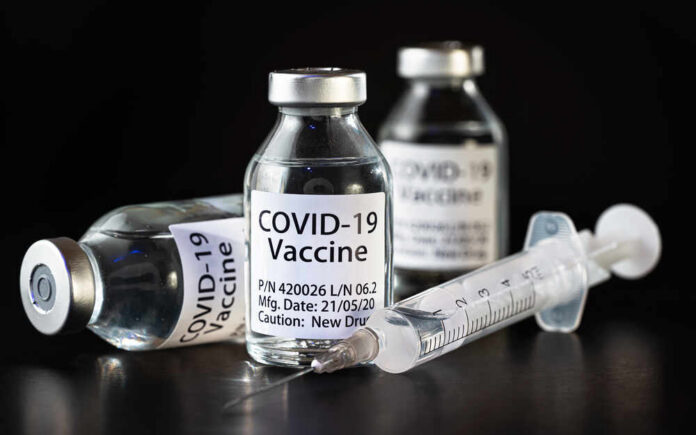
Pfizer and BioNTech just pulled the plug on a major U.S. COVID vaccine study—fueling a fresh fight over whether Washington is finally demanding real proof after years of “trust us” public health mandates.
Story Snapshot
- Pfizer and BioNTech halted a large U.S. post-marketing COVID-19 vaccine trial after enrollment lagged, not because of newly disclosed safety problems.
- The study targeted 25,000–30,000 healthy adults ages 50–64, but recruiters struggled because many potential participants failed strict health screening criteria and COVID case levels were low.
- The FDA’s newer insistence on placebo-controlled data for certain groups made the study design tougher to execute in a country where many adults have common chronic conditions.
- Partisan framing claimed Americans refused to be “guinea pigs,” but multiple outlets reported logistics and eligibility hurdles were central to the shutdown.
What actually got shut down—and why it matters
Pfizer and BioNTech stopped a U.S.-based post-marketing study tied to their COVID-19 vaccine franchise after enrollment moved too slowly to produce usable data. Reporting described a plan to enroll roughly 25,000 to 30,000 healthy adults ages 50 to 64, with enrollment closing March 6, 2026. A later investigator notice ended surveillance after early April. The companies said the decision reflected slow enrollment and limited ability to generate relevant data, not a new safety alarm.
That distinction matters for readers trying to separate facts from internet-level spin. The trial was not the original pandemic-era rush to market; it was a post-authorization effort meant to satisfy updated regulatory expectations. With fewer people seeking boosters and fewer symptomatic cases in circulation, trials measuring real-world efficacy become slower and more expensive. The result is a predictable collision: regulators demand stronger evidence while the market and the virus dynamics make large trials harder to complete.
Why recruiting “healthy” 50–64-year-olds became a brick wall
Multiple reports pointed to a key practical problem: the trial focused on “healthy” adults, and a large share of Americans in their 50s and early 60s have manageable conditions like hypertension or diabetes. Industry commentary cited pre-screening failure rates above 80% because the inclusion criteria were narrow, not simply because people angrily refused participation. When the eligible pool collapses, sites burn time and money trying to find qualified volunteers—especially when the perceived personal benefit feels low during a period of reduced COVID spread.
The design also created an ethics-and-incentives squeeze. A placebo-controlled study is the gold standard for clean comparisons, but it is tougher to sell to participants when a product is already widely available and when public trust has been strained by years of shifting guidance. Conservative-leaning voters who remember coercive workplace mandates and lockdown politics are primed to distrust any “just sign here” messaging. Still, the best-supported explanation in the reporting remains mundane: strict eligibility plus low case counts equals poor enrollment.
FDA and the new rules: tougher science, tougher politics
Coverage tied the study’s existence to newer federal demands for more rigorous data, including placebo-controlled requirements for certain age groups. Under the second Trump administration, agencies answer to political leadership that campaigned on cleaning up bureaucratic overreach—yet many voters also expect higher standards from the same agencies that once promoted sweeping one-size-fits-all policies. The practical takeaway is that tougher evidence requirements can protect the public, but they also make it harder for manufacturers to run massive trials in a skeptical, medically diverse population.
The media split: “guinea pigs” versus plain enrollment math
One partisan narrative claimed Americans refused to be “lab rats,” presenting the shutdown as a public rebellion. Other outlets, citing company statements and trial logistics, emphasized the inability to recruit enough eligible participants and pointed to epidemiological trends that reduce the value of continuing a giant study. Readers should notice what is and is not supported by the record: the shutdown does not, by itself, prove hidden harm; it does highlight that broad public compliance is no longer automatic when federal health authorities ask for more shots.
What comes next for taxpayers, patients, and trust
The immediate impact is that FDA reviewers may have less new placebo-controlled data for healthy 50–64-year-olds than regulators had hoped to collect. Longer term, the episode signals a shrinking COVID vaccine business and a pivot by manufacturers toward other revenue areas. For conservatives who are tired of open-ended government programs and “emergency” spending logic, the bigger issue is accountability: if Washington insists on higher-quality evidence, it must also communicate honestly and avoid coercive policy tools that deepen distrust and make future public health efforts harder to execute.
Limited public detail remains about next steps for Pfizer and BioNTech beyond the decision to stop this specific study. What is clear is that the new post-pandemic environment looks nothing like 2020: Americans are more skeptical, regulators are asking tougher questions, and drugmakers are discovering that “just recruit more people” is not a plan when eligibility rules collide with real-world health profiles. That reality check may be uncomfortable, but it is better than repeating the mistakes that shredded trust in the first place.
Sources:
Pfizer, BioNTech to pause COVID vaccine trial due to low enrollment
Pfizer and BioNTech pause COVID-19 vaccine trial due to low enrollment
Pfizer, BioNTech halt large US COVID-19 vaccine trial over slow enrollment
Pfizer, BioNTech Halt Large U.S. COVID-19 Vaccine Trial Over Slow Enrollment
Covid vaccine trial scrapped amid recruitment slump
BioNTech starts shuttering Singapore mRNA manufacturing site amid pipeline pivot