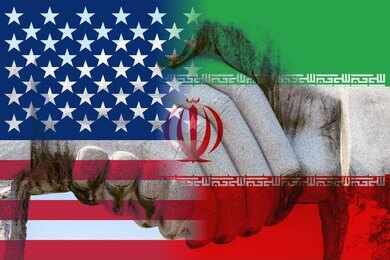
A rushed U.S.–Iran peace deal that looks like a win today could lock America into risky promises tomorrow.
Story Snapshot
- U.S. officials say a written peace framework with Iran is ready to sign, but Tehran disputes the timeline.
- The deal would end open fighting and reopen the Strait of Hormuz, easing global oil prices and supply shocks.
- Key questions remain over Iran’s nuclear promises, sanctions relief, and whether Tehran will truly change behavior.
- Conservatives must watch that any “quick win” does not weaken U.S. leverage, allies, or long-term security.
What Washington Is Saying About a “Deal Within Days”
Senior United States officials are telling reporters that a peace deal with Iran is basically ready, with both sides having agreed on a written text to end the fighting and start a new process on Iran’s nuclear program.[2] The White House message is that an initial agreement could be signed within days and that the war is “effectively over,” with the focus shifting to enforcement and follow-up talks.[1] This line fits a familiar pattern: project calm, claim progress, steady the markets, and show strength at home in an election cycle.[4]
U.S. talking points also stress that Iran would commit to stop pursuing nuclear weapons, allow its highly enriched uranium to be destroyed or removed, and reopen the Strait of Hormuz to global shipping.[2] Officials argue that Iran will get no cash up front and that any sanctions relief or release of frozen assets only comes after verified steps.[2] On paper, that sounds like strong leverage: Iran moves first, then receives staged economic benefits if it follows through. For many Americans, especially after years of conflict, a clean trade like that sounds appealing.
How Iran Is Pushing Back on the “Done Deal” Narrative
Iranian leaders are not matching Washington’s upbeat tone and timing. Iranian officials have said that, while some pieces are close, their leadership has not made a final decision and that talk of a signing “tomorrow” or within twenty-four hours is premature and politically driven.[3] Tehran has also pushed a two-stage view of the process, treating the first step as a short memorandum of understanding to stop active fighting and reopen Hormuz, with deeper nuclear and sanctions issues delayed to a later round.[3] That picture does not fully match claims that all key nuclear questions are closed.
Iranian messages have also challenged key parts of the U.S. story, including how fast sanctions relief would unfold and what exactly happens to enriched uranium stockpiles.[2] Iranian officials have denied that they are getting instant financial rewards just for showing up, but they also stress that any unfreezing of assets or trade restart must come sooner rather than later.[2] This tension shows why public statements can be slippery. Each side is talking to its own people, its own markets, and its own allies, and both want to look like they won the tougher terms from the other.
What the Deal Would Change on the Ground and at the Pump
Despite the spin, one piece is clear: reopening the Strait of Hormuz is central to every version of this deal.[1] Hormuz is the narrow sea route where about a fifth of the world’s oil and gas travels, and the current war and blockades have driven prices higher and shaken already fragile global supply chains.[3] Ending the fighting and reopening that route would likely cut some pressure on energy costs, which is welcome news for families already hit by years of inflation and high fuel prices under earlier big-spending policies.
The emerging framework would also require both Washington and Tehran to lift their dueling blockades on the waterway if the agreement is signed.[3] That means fewer military clashes in that choke point and less risk that a local incident drags the United States into a wider regional fight. For Israel, which has fought Iran-backed forces in Lebanon during this conflict, the picture is more complex. Reports say Israel has not been part of the negotiations and is not eager to tie its hands in Lebanon to a U.S.–Iran understanding it did not shape.[1] This raises questions for conservatives about how the deal treats key allies who live with Iran’s missiles on their borders.
Why Conservatives Should Look Past the Headlines
This moment fits a pattern that many readers will recognize from past talks with Iran. Public claims that a “historic breakthrough” is close often appear before the ink is dry, while the other side issues cooler statements that leave room to stall, cheat, or re-interpret the text later.[1] Media outlets and global markets like simple stories and fast headlines, so they highlight that negotiators are “closer than ever” and that peace is “within days,” even when serious gaps remain.[2] That bias can drown out real debate about verification, enforcement, and long-term strategy.
For conservatives focused on American strength, limited government, and stable prices, the key test is not how fast the White House can stage a signing ceremony. The test is whether Iran truly dismantles any path to a nuclear weapon, ends support for terror groups, and respects freedom of navigation without getting rewarded for bad behavior. Voters who remember the broken promises of past Iran deals will want proof, not press releases. A calm, tough-minded review of the final text and its enforcement tools is the only way to know if this “peace deal” secures U.S. interests or simply pauses the problem for the next crisis.
Sources:
[1] Web – U.S., Iran say a deal to end the fighting is close
[2] Web – Pakistan, US, Iran signal deal to end war close
[3] Web – U.S. and Iran reach deal but need Trump’s final approval, officials …