President Trump just lit up the Pro Football Hall of Fame after an anonymous voting bloc kept Bill Belichick off the first ballot—raising new questions about who really controls America’s most visible “institutions” and why they won’t own their decisions. The non-selection is sparking a fierce debate over the role of “controversy” in evaluating historical greatness, the high 40-vote threshold for coaches, and a demand for public accountability from the 50-person selection panel. The decision taps into broader frustration with closed-door processes that impose reputational punishment without public explanation.
Story Highlights
- President Trump blasted Hall of Fame selectors for leaving Bill Belichick short of the 40 votes required for first-ballot induction.
- Under 2025 rule changes, coaches became eligible one year after retirement, but the vote threshold remained steep at 40 of 50 selectors.
- Reports say deliberations repeatedly returned to Spygate and Deflategate, with some voters unwilling to reward Belichick immediately.
- Multiple voters and prominent voices called for transparency, arguing anonymous “no” votes damage credibility.
- The Hall of Fame class is scheduled to be revealed at NFL Honors in San Francisco on February 5, 2026.
Trump’s Broadside Puts a Private Voting Process in the Spotlight
President Donald Trump posted a sharp criticism on January 28, 2026, after reports said Bill Belichick fell short of first-ballot induction into the Pro Football Hall of Fame. Belichick reportedly did not reach the required 40 votes from a 50-person panel made up of media members and Hall of Famers. Trump tied the snub to broader frustration with NFL rulemaking, calling the decision “ridiculous” and urging reversal.
The timing matters because the Hall of Fame’s revised process is still new. The selection committee held its full voting meeting on January 13, and ESPN reported the outcome January 27–28 citing unidentified sources. The official class is expected to be announced February 5 at NFL Honors in San Francisco. Until then, the Hall has declined to comment, leaving the public with a major outcome but limited explanation.
"The NFL [lost] a lot of respect today."
Former Patriot @RealLoganRyan reacts to Bill Belichick not making the Pro Football Hall of Fame in his first time on the ballot. pic.twitter.com/UczQFTFU8G
— NFL on CBS 🏈 (@NFLonCBS) January 28, 2026
How the 2025 Rules Set the Trap for a “Shock” Non-Selection
The Hall of Fame’s 2025 changes sped up eligibility for coaches, allowing consideration one year after retirement instead of waiting five. That adjustment put Belichick in the pipeline immediately after his Patriots tenure ended in 2023. The rules still require a high bar: 40 of 50 selectors must vote yes, and only one to three coaches can advance depending on the year’s slate. In tight rooms, a determined minority can block.
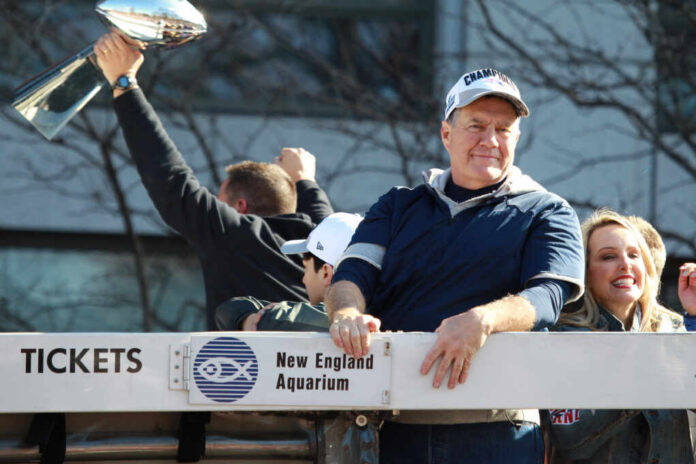
Belichick’s résumé explains why the snub landed like a thunderclap. He coached the Patriots for 24 seasons and compiled a reported 302–165 head-coaching record, winning six Super Bowls as New England’s head coach. He also won two Super Bowls as a defensive assistant with the New York Giants under Bill Parcells. Even critics typically concede his on-field record is historically rare, which makes the vote threshold the central battlefield.
What Voters Said—and What They Wouldn’t Say—About “Cheating Stuff”
Reporting about the deliberations consistently points to Spygate and Deflategate as the key objections. Spygate, in 2007, resulted in the Patriots losing a first-round pick and paying major fines, including a $250,000 fine for Belichick. Deflategate led to Tom Brady’s four-game suspension, a $1 million team fine, and forfeited draft picks. ESPN reported those controversies surfaced during voting, with one voter saying the “cheating stuff” bothered some selectors.
Some commentary described a “penance” mindset rather than a permanent ban. A report said Hall of Fame voter Bill Polian argued Belichick should “wait a year” because of Spygate. That framing matters because it implies the panel is not debating greatness; it is debating timing and moral signaling. The limitation is that the Hall’s process remains largely confidential, so the public cannot review individual rationales or test them against consistent standards.
Transparency Demands Grow as Anonymous Power Decides Public Honors
Calls for accountability escalated immediately after news of the vote. OutKick’s Armando Salguero, who said he supported Belichick, urged those who voted no to identify themselves. USA Today’s Jarrett Bell also said the group should reveal who blocked Belichick, noting at least 11 people must have voted against him if he failed to reach 40. The Athletic’s Mike Sando said he voted yes and described himself as “stunned and embarrassed.”
For Americans who value straightforward accountability, the controversy is less about football and more about process. A closed committee with anonymous ballots can impose reputational punishment without explaining standards in public. Trump’s criticism taps into that broader frustration: elites make consequential decisions, then hide behind institutions when the backlash arrives. The Hall of Fame is not the government, but it is a powerful cultural referee—and its credibility depends on the public believing rules are applied fairly.
Practical consequences could follow beyond Belichick’s case. Reports warn that the snub may complicate future coach selections because only a limited number can advance each cycle, potentially delaying other names such as Mike Shanahan, Tom Coughlin, and Mike Holmgren. The larger question heading into the February 5 announcement is whether the Hall responds with clearer standards or continued silence. Until voters attach names to their no votes, the institution invites suspicion and political blowback.
Watch the report: Bill Belichick Will NOT be a First-Ballot Hall of Famer
Sources:
- Trump Rips Pro Football Hall of Fame for “Ridiculous” Decision to Snub Bill Belichick from First-Ballot Honor
- Bill Belichick’s snub from Pro Football Hall of Fame is harshly criticized by voters, NFL fans
- Voter Explains Bill Belichick Snub from 2026 Hall of Fame Class, Bill Polian’s Reported Role