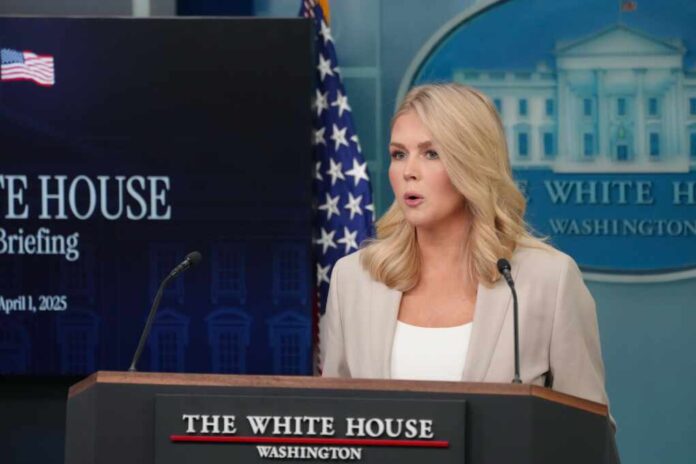
White House Press Secretary Karoline Leavitt has exposed the FBI’s chilling findings about a Michigan church shooter who specifically targeted members of the Mormon faith, revealing a disturbing pattern of religious hatred that threatens the safety of faith communities across America.
Story Highlights
- FBI confirms Michigan shooter was motivated by hatred toward Mormon faith members
- Karoline Leavitt publicly disclosed the FBI’s investigative findings on the shooter’s anti-religious motive
- Four people died in the targeted attack at a Michigan Mormon church in September
- Federal authorities are treating the incident as targeted violence against a religious community
FBI Confirms Religious Hatred as Primary Motive
The FBI’s investigation into the deadly Michigan church shooting has revealed that the gunman harbored deep animosity toward members of the Church of Jesus Christ of Latter-day Saints. Federal investigators determined through digital communications and witness testimony that anti-Mormon sentiment was a significant factor driving the September attack. This finding represents a disturbing escalation in religiously motivated violence, highlighting the vulnerability of faith communities to targeted hatred.
Karoline Leavitt Reveals FBI’s Michigan Shooter Motive Finding: 'Hated People of Mormon Faith' https://t.co/1Bfnl82yp9
— Mediaite (@Mediaite) September 29, 2025
Leavitt Brings Transparency to Federal Investigation
White House Press Secretary Karoline Leavitt stepped forward to publicly reveal the FBI’s motive findings, demonstrating the Trump administration’s commitment to transparency in law enforcement matters. Her disclosure came after the FBI confirmed that the shooter went on anti-LDS tirades and specifically targeted Mormon worshippers. This level of openness contrasts sharply with previous administrations’ tendencies to withhold critical information from the American people, particularly when it involves threats to religious liberty.
Attack Strikes at Heart of Religious Freedom
The Michigan shooting targeted four innocent victims at their place of worship, representing a direct assault on the First Amendment’s guarantee of religious freedom. The gunman’s calculated hatred toward Mormon faith members demonstrates the kind of religious intolerance that undermines America’s foundational principles. This attack joins a troubling pattern of violence against various faith communities, from Jewish synagogues to Christian churches, showing how anti-religious sentiment continues to fester in certain segments of society.
Federal Response Highlights Law Enforcement Priorities
The FBI’s classification of this incident as “targeted violence” signals federal authorities are taking religiously motivated crimes seriously under the new administration. Unlike previous years when religious freedom concerns were often downplayed or ignored, this investigation demonstrates a renewed focus on protecting faith communities from ideological hatred. The thorough investigation and transparent communication of findings represents the kind of accountability Americans expect from their federal law enforcement agencies.
This tragic incident serves as a stark reminder that religious freedom remains under attack in America, requiring vigilant protection from those who would target innocent people based on their faith. The Trump administration’s willingness to expose the truth about this shooter’s motivations shows a commitment to defending all Americans’ constitutional right to worship freely without fear of violence.
Watch the report: FBI believes Michigan church shooter ‘hated people of the Mormon faith,’ Leavitt says
Sources:
Police seek motive in Michigan church shooting and fire
Police continue to search for motive in deadly Michigan
Michigan church shooting update: Police to provide more details Monday
Four dead after gunman opens fire in a Michigan Mormon church
What we know about the deadly shooting at a Michigan Mormon church
Michigan church shooting suspect went on anti-LDS tirade
FBI investigating Michigan church shooting as ‘targeted violence’