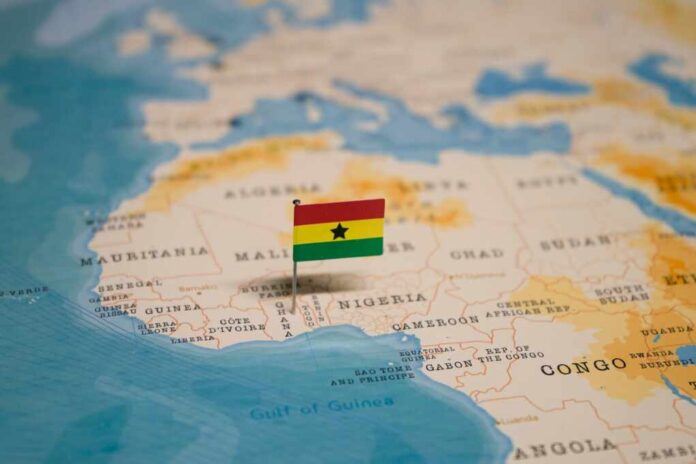
Ghana’s decision to accept 40 more deportees from the US under Trump’s administration raises legal and ethical concerns, igniting debates over international law and human rights.
Story Highlights
- Ghana to receive 40 additional deportees from the US, causing controversy.
- 11 of the initial deportees have filed lawsuits against Ghana for illegal detention.
- Critics argue deportations violate legal protections against persecution.
- Ghana claims its actions are based on humanitarian grounds.
Ghana’s Controversial Acceptance of Deportees
In a move that has sparked significant controversy, the Ghanaian government, led by President John Mahama, has announced the acceptance of 40 more West African migrants deported from the United States. This decision follows the earlier arrival of 14 deportees, 11 of whom have sued the Ghanaian government for alleged illegal detention. The agreement with the Trump administration has drawn criticism, with concerns over legal protections for deportees at risk of persecution or torture.
Eleven people deported from the US are challenging Ghana’s government in court, saying their detention in a military camp is unlawful. pic.twitter.com/o8aX4QA9AV
— African News feed. (@africansinnews) September 20, 2025
Legal Challenges and Humanitarian Claims
The deportation deal, involving nationals from Ghana, Nigeria, and Gambia, has faced backlash from legal and human rights advocates. They argue that some deportees possess legal protections against removal. Despite this, Ghana insists its actions are humanitarian, aiming to assist vulnerable individuals without endorsing US immigration policies. However, the absence of financial compensation from the US further complicates the narrative, raising questions about Ghana’s motivations.
The lawsuits filed by the deportees highlight the legal complexities involved in such deportations. The detained individuals claim they were held illegally, sparking international criticism of both the US and Ghanaian administrations.
Implications for International Relations and Migration
The acceptance of deportees under such contentious circumstances may set a precedent for future deportation agreements. Ghana, a member of ECOWAS, is under scrutiny for its role in facilitating these deportations, which include non-Ghanaian nationals. The broader implications for West African migration and international law are significant, as Ghana balances regional solidarity with international expectations.
Ghana’s decision illustrates the power dynamics at play, where the US exerts considerable influence over smaller nations. This situation underscores the complex interplay between humanitarian obligations and political pressures, with potential long-term impacts on Ghana’s international reputation and US-Ghana relations.
Watch the report: Controversy Grows As 14 U.S. Deportees Arrive in Ghana as 40 More Expected
Sources:
US immigration: Deportees sue Ghana’s government over ‘illegal’ detention
Ghana says all immigrants deported by the US have been sent home, contradicting lawyers