
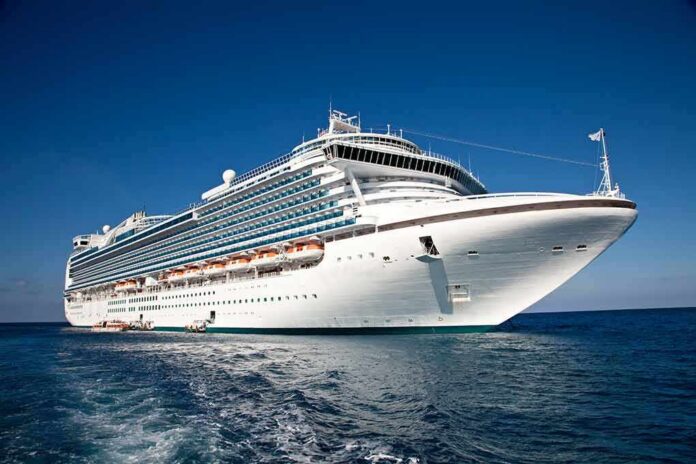
A luxury “live-at-sea” cruise halted in Cambodia and told about 200 residents to get off as fuel costs spiked, shattering some retirees’ plans overnight.
Story Highlights
- Villa Vie Residences suspended operations in Cambodia after a sharp jump in fuel costs.
- About 200 residents were told to disembark in Sihanoukville, ending the journey midstream.
- The company cited fuel rising from about $1,800 to $6,000–$8,000 per cabin per month.
- Some residents sold homes to fund cabins and now face sudden housing and travel costs.
Company Suspension and Immediate Fallout
Villa Vie Residences announced it suspended operations in Cambodia while it reviewed restructuring and new funding options. The line said a surge in fuel prices made its business model unworkable on the current route. The ship stopped in Sihanoukville, where staff told residents to leave the vessel. Reports placed the onboard community at roughly 200 people when the order came. The company framed the pause as temporary but gave no firm restart date in public statements.
Villa Vie linked the crisis to a steep rise in operating costs. The company said fuel that once averaged about $1,800 per cabin each month had climbed to an estimated $6,000 to $8,000 in parts of Asia. Leaders said they had slowed the itinerary and spent more time in port to save fuel, but those steps did not close the gap. The company said it could not keep absorbing the losses and would explore recapitalization during a 60‑day window.
Residents Ordered Ashore and Offered Limited Help
Passengers described being told to disembark in Sihanoukville after the suspension took effect. Reporting by the British Broadcasting Corporation said about 200 people were aboard when the order came. Reuters separately reported that residents were instructed to leave and that the company said it would work on disembarkation plans and temporary living arrangements. The scope of that help is not fully documented in public reports, and outcomes may have differed by person.
Individual stories show the stakes for people who treated the ship as home. Reuters profiled Lynn and Paul Montoya, who sold their Wyoming house and cars, bought a $179,000 cabin, and paid around $6,000 a month in fees before being told to get off after 17 months on board. Their case shows how long-term, prepaid travel can shift risk to customers when an operator pauses service. Many residents now face hotel bills, flights, and uncertainty about refunds or next steps.
How This Fits a Growing Pattern in “Life at Sea”
This collapse mirrors other high-ambition, pay‑upfront cruise plans that later stalled. In 2023, a separate multi‑year voyage marketed by Miray Cruises fell apart before sailing on its promised ship, and would‑be residents reported major losses. Residential cruise products remain new and lightly tested. The incentives are clear: operators need cash early, and customers often reorganize their lives to move aboard. When plans fail, people can be left far from home without clear protections.
About 200 long-term passengers were left scrambling in Cambodia after the Villa Vie Odyssey suspended its three-year world cruise over surging fuel costs.https://t.co/aVW5ytWu2o
— The Traveler (@thetraveler_org) November 1, 2026
Policy guidance in other regions highlights the duties operators have when they lay up ships. European Commission materials state that cruise companies bear primary responsibility for arranging the return of passengers and crew, and that package organizers must carry insolvency protection for repatriation. Those rules do not set global standards, but they frame what many travelers now expect when a company stops service mid‑journey. The Cambodia setting adds hurdles for residents seeking quick legal or consular help.
What It Means for Travelers and Families
People on both the left and right see the same core risk here: big promises with weak safeguards. Long voyages sell a dream of low‑stress living, but they often rely on thin margins and volatile fuel markets. Buyers should ask for audited financials, confirm escrow or trust protection for large deposits, and review refund, termination, and repatriation clauses in plain language. Independent travel insurance that covers insolvency and emergency housing can help when corporate plans break down.
Sources:
theguardian.com, reuters.com, cnbc.com, bbc.co.uk, ttgmedia.com, independent.co.uk, travelweekly.com.au