
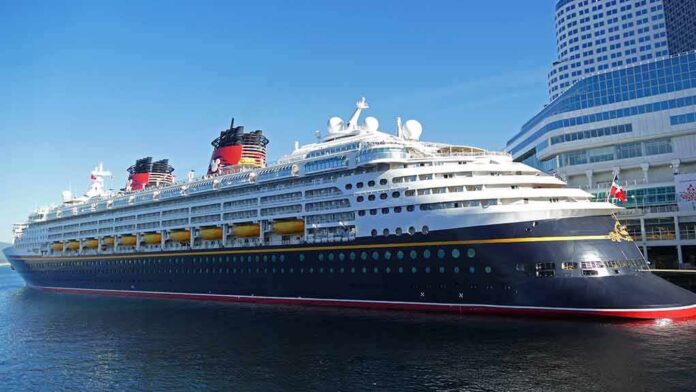
A luxury “live-at-sea” cruise told about 200 residents to get off in Cambodia after costs spiked, upending retirements overnight.
Story Snapshot
- Villa Vie Residences halted its voyage in Sihanoukville and ordered residents to disembark.
- The company cited fuel costs jumping from about $1,800 to as high as $8,000 per cabin monthly.
- About 200 people living aboard were left arranging temporary housing and next steps.
- The operator said it is working on disembarkation plans and temporary living help.
Operations Halted And Residents Told To Leave In Cambodia
Villa Vie Residences suspended operations while docked in Sihanoukville, Cambodia, and told residents to disembark. The company said it faced extraordinary fuel costs and needed time to evaluate restructuring and recapitalization options. News outlets reported that about 200 residents were on the ship when the order came. The halt ended a years-long “live at sea” plan that promised continuous global travel and a floating home for buyers who paid up front to live aboard.
The company’s announcement named fuel as the breaking point. Villa Vie said fuel costs historically averaged about $1,800 per cabin each month, but had risen to an estimated $6,000 to $8,000 in parts of Asia. The operator said it tried to save fuel by slowing the route and spending more days in port. Those steps did not close the gap, and the company said it could not carry the losses any longer.
Human Impact: Sold Homes, Packed Bags, And A Sudden Exit
Residents described losing more than a trip. Many had built retirement plans around life aboard. One United States couple sold their Wyoming home and cars, bought a $179,000 cabin, and paid about $6,000 in monthly fees. After 17 months on board, they were told to leave in Cambodia. Their story shows the personal risk when long-term travel products fail midstream, far from home and without the services the ship provided daily.
Company statements said staff were working on disembarkation plans and “temporary living arrangements.” That help matters because residents needed short-term housing once they stepped off with luggage. Reports do not provide a line-by-line account of every hotel night, flight, or refund. The number of affected people is also approximate, with outlets citing about 200 residents on board at the time of the order.
Why Fuel And War Shocks Hit Floating Cities Hard
Global fuel markets can change fast when conflict spreads. Villa Vie tied its rising costs to recent turmoil and the spike in marine fuel prices across key routes. Ship operators burn large volumes daily, so price swings hit the budget right away. The company slowed schedules and stayed longer in port, but that did not offset the jump. When costs outrun revenue for long enough, even large travel projects can stall, as happened here.
Around 200 residents of the Villa Vie Odyssey have been left in Sihanoukville, Cambodia, after the years‑long residential cruise abruptly halted over soaring fuel costs.https://t.co/zp6ATNeQua
— The Traveler (@thetraveler_org) November 1, 2026
This episode also fits a recent pattern for “life at sea” ventures. Long-duration, prepaid cruise plans ask buyers for big upfront payments. In return, they promise years of housing, food, and travel. When the model faces delays, rising costs, or financing gaps, customers carry heavy risk, because much of their money is already committed and their daily lives are tied to the ship. A similar three-year plan failed in 2023 before it ever sailed, leaving would-be residents with losses.
What Stranded Residents Face Next
Residents now must solve basics first: where to sleep, how to reach family, and how to manage belongings left on board or moved ashore. The company said it is pursuing a recapitalization over about two months and trying to support those affected. That timeline suggests residents may have weeks of uncertainty about refunds, future housing, or a possible restart. Until then, many will rely on savings, family, or insurance to bridge unexpected costs.
For readers, the lesson is broader than one ship. When companies ask for large prepayments tied to complex promises, the downside can land on customers fast if the plan breaks. Ask for audited financials when possible. Check for strong insolvency protection, repatriation plans, and clear refund rights. Confirm what help the operator must provide if service stops. Those steps cannot erase risk, but they can narrow the gap between the dream sold and the reality delivered.
Sources:
theguardian.com, reuters.com, cnbc.com, bbc.co.uk, ttgmedia.com