When a two-second debate outburst becomes a month-long attack ad, the risk now outweighs the reward.
Story Snapshot
- A Maine Senate debate clip turned into attack ads, showing how small moments can dominate campaigns.
- Strategists from both parties say debates rarely help but can badly hurt with one mistake.
- More than half of Senate races reportedly had no major-party debates in 2026, signaling wider retreat.
- Research finds debates shift few votes on average, but they can still inform voters about policy.
Viral Moments Now Drive Campaign Risk Calculus
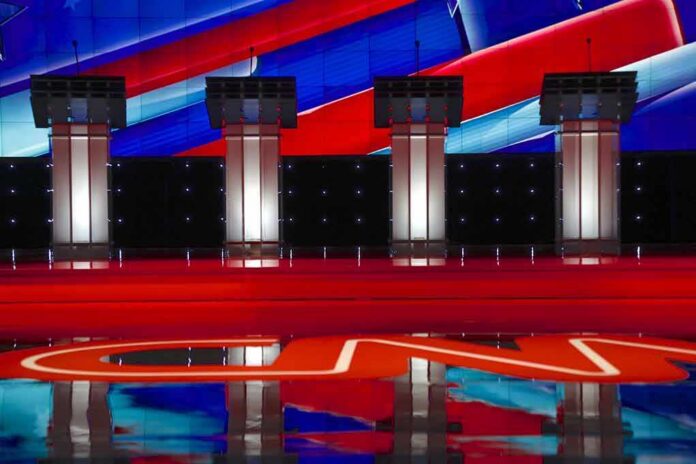
On October 15, 2026, Maine’s Senate debate produced the kind of flash that now shapes races. Democratic nominee Troy Jackson told Senator Susan Collins to “shut up” after a protester interruption. The exchange did not stay in the room. It moved online, spread fast, and soon showed up in Republican attack ads. One short burst overpowered longer policy talk, setting the tone for weeks after the debate ended.
Campaign veterans say this is why debates feel like traps. Republican strategist Terry Sullivan framed the math bluntly: most debate content changes nothing, but a small mistake can change everything. Democratic strategist Chuck Rocha agreed, saying debates do not often win races, but they can lose them. Those views echo how teams prep today: limit unscripted risk, hunt for the other side’s stumble, and be ready to clip, label, and buy ads around it.
Skipping Debates Became a Common 2026 Tactic
The 2026 cycle featured many races with no major-party debate. CBS News tallied 18 of 35 Senate contests and 12 of 36 governor contests without a head-to-head event. That is more than half of Senate races and about one-third of governor races. The message from many campaigns was clear: avoid free shots for the opponent, avoid audience chaos, and avoid a viral line that drowns fundraising and field work for weeks.
Even where debates happened, coverage often highlighted conflict. Reports described “mudslinging and character assaults” turning into viral content that outran policy answers. Maine drew attention, but similar clips surfaced in other states. The pattern rewards zingers and sharp jabs, not patient plans. That tilt feeds the belief on left and right that the system privileges theater over substance and that the media market profits from outrage more than civic clarity.
Data Shows Modest Vote Effects, Not Zero Civic Value
Academic work supports the cautious outlook on persuasion. A Harvard Business School summary found televised debates did not lift vote shares or move many undecided voters on average. A large comparative study across 56 debates in seven countries estimated effects on vote choice no higher than 0.7 percent, with persuasion at about 3 percent at most. These numbers explain why campaigns see limited upside to showing up.
Yet other research points to learning gains that matter for a healthy democracy. The National Democratic Institute highlights experiments showing debates help people learn policy positions and the roles of elected officials. Studies in Sierra Leone and Ghana reported higher voter knowledge, more alignment with policy priorities, and even more accountable behavior by some winning lawmakers after debates. U.S. research also shows viewers gain policy knowledge, especially when they also watch post-debate news.
Why Both Sides Feel the System Is Failing
Voters across the spectrum see a loop that favors elites and consultants. Platforms reward hot clips. News shows replay them. Campaigns pay to push them further. The substance gets cut down or cut out. Conservatives see this as more proof that media culture prizes gotchas over work on borders, prices, and energy. Liberals see it as more proof that spectacle hides inequality and real policy choices. Both feel that leaders dodge scrutiny while consultants cash in.
How political debates became high-risk and low-reward in the viral era. https://t.co/GqwAbYJTDY
— CBS News (@CBSNews) October 29, 2026
That shared frustration has a policy cost. When candidates skip debates, communities lose a rare side-by-side test. When debates occur but coverage fixates on conflict, citizens get heat, not light. The data says debates seldom swing many votes, but they can still inform. The open question is whether campaigns, media, and platforms can change incentives so that voters see more plans and fewer pile-ons. Until then, many candidates will keep treating debates as hazards, not forums.
Sources:
cbsnews.com, washingtonpost.com, niskanencenter.org, ndi.org, journalistsresource.org, journals.plos.org