After missiles and a blast shut down Riyadh’s main airport, President Trump said the United States may join Saudi strikes on the Houthis, signaling a fast-moving decision window amid deadly civilian tolls.
Story Snapshot
- President Trump said the United States may join Saudi strikes after the Riyadh airport attack.
- Saudi authorities diverted flights from King Khalid International Airport serving the capital.
- Houthi forces claimed they targeted the airport and a military site near Riyadh.
- The United States and allied governments issued safety warnings around Saudi airports.
What President Trump Said And Why It Matters
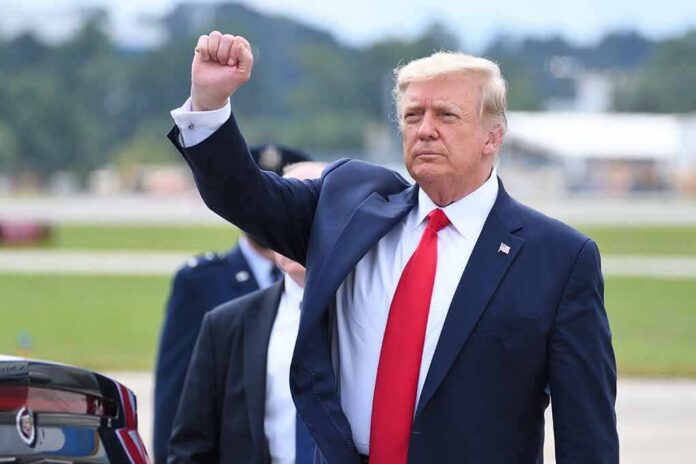
President Trump told reporters the United States “may” join Saudi strikes on the Houthis after the attack near Riyadh’s main airport on October 10. He said officials would “look at it” and “move very quickly,” making clear military action was under review. The statement followed reports of deaths and hundreds of injuries from weekend attacks linked to the airport area, which raised the stakes for civilian safety and regional stability. One brief caveat: no U.S. action order has been announced.
The comment matters because it links a strike on a civilian travel hub to possible U.S. military involvement. The signal aims to deter more attacks on airports and to support a key partner in the region. It also fits a wider pattern where hits on visible infrastructure test alliances, air defenses, and red lines. The White House now faces a hard choice between swift action to restore deterrence and caution to avoid a larger war that could spread beyond Yemen.
What Happened At Riyadh’s King Khalid International Airport
Saudi civil aviation authorities suspended operations and diverted flights from King Khalid International Airport after a loud blast and reported strikes around the capital. Airlines canceled more flights as the situation unfolded. The airport serves a city of about eight million people and is a major regional hub. Officials treated the attack as an active threat, not an isolated scare, shifting focus to passenger safety and the risk of follow-on strikes during a tense weekend.
Iran-backed Houthi forces claimed responsibility for targeting the airport and a military base near Riyadh. A Houthi spokesperson described the airport strike as accurate and said it used a ballistic missile. Saudi air defenses reported intercepts in the capital area. Casualty reports varied across outlets, with figures ranging from at least a dozen dead to higher totals across several attacks that week, but all accounts agreed the human toll was serious.
Safety Warnings And The International Response
The United States Embassy in Riyadh urged Americans to avoid the airport and nearby areas after the strike. The United Kingdom, Spain, and Canada issued travel warnings tied to risks at Saudi airports. These alerts reinforced that governments viewed the danger as ongoing. For travelers and airline crews, the guidance meant route changes, delays, and higher security checks. For Saudi leaders, it underscored the need to show that defenses can protect major civilian sites during peak travel periods.
Global News Making Headlines
— Tuesday, 13 October 2026
1. Riyadh airport stays shut
Saudi Arabia has vowed a “serious” response after Houthi strikes on King Khalid International Airport killed 18 people in under a week, the deadliest attacks on Saudi soil in more than a…
— Onyiego Andrew C. Obwang'i (@OmariKhomeiniKE) October 13, 2026
The Saudi government vowed a response and pressed investigations into how weapons reached the capital area. The broader context is a fragile calm that followed the 2022 United Nations truce and later gave way to renewed attacks and counterstrikes. Past rounds saw Saudi air defenses, retaliatory hits on launch sites, and U.S. support short of direct combat. Trump’s statement raises the prospect of a shift from indirect help to possible kinetic action if deterrence fails again.
What This Means For Americans At Home
For many Americans, this episode touches core worries: rising risks to travelers, pressure on energy markets, and the fear that leaders react late and then overcorrect. Conservatives see a need to restore deterrence and protect allies. Liberals see the danger of another open-ended conflict abroad. Most agree government must act with clear goals, tight rules, and honest updates. Precision about targets and timelines will shape trust if the United States moves beyond intelligence support.
What To Watch Next
Watch for a formal decision from the White House or the Pentagon on rules of engagement, and any notice to Congress. Look for confirmed details on weapon types, launch origins, and air-defense performance around Riyadh. Track airline operations and new travel alerts as signals of risk on the ground. If attacks on civilian airports continue, expect faster coordination between Saudi Arabia and partners and tougher steps meant to stop launches before they reach population centers.
Sources:
iranintl.com, npr.org, gulfnews.com, dw.com, abcnews.com, washingtonpost.com, reuters.com