Los Angeles County reported its highest early-season West Nile virus toll in nearly a decade, with 100 infections and five deaths by September 21, 2026.
Story Highlights
- County officials logged 100 infections and five deaths by September 21, 2026.
- Later reports showed higher totals as surveillance caught up with cases.
- Heat, unusual humidity, and a warm winter aligned with the surge, officials said.
- Mosquito and bird tests showed sharp jumps in virus activity across the county.
County Confirms Unusually High Early-Season Illness and Deaths
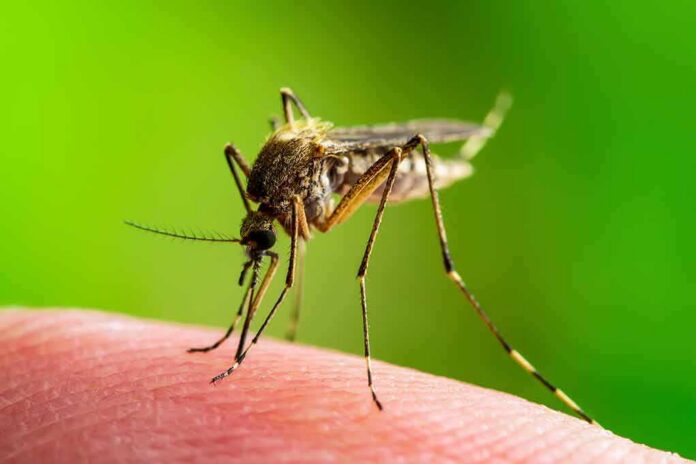
Los Angeles County’s public health department said the region reached 100 West Nile virus infections and five deaths by September 21, 2026, marking the highest early-season total in nearly a decade. Health officials urged residents to drain standing water, wear repellent, and protect doors and windows. The county’s first confirmed human case was announced in mid-July, and the first death was confirmed in August, signaling an early and active season heading into fall.
County surveillance later showed higher season totals as reports were updated and lab results finalized. The county’s Arboviral Report stated that 2026 infections exceeded the five-year average for the same period, reinforcing that this year’s activity was above recent norms. Public health surveillance often revises counts as data arrive from hospitals and labs. That does not change the September milestone; it explains how totals can rise as the season progresses.
Environmental Conditions Lined Up to Boost Transmission
Local reporting tied the surge to record humidity, extreme heat, and moisture linked to El Niño conditions. A vector-control official explained that higher humidity can extend mosquito lifespan, which gives infected mosquitoes more time to spread the virus. A county official also linked a very warm winter and recent humid weather with increased activity across Long Beach and Los Angeles County. These conditions align with what often drives summer and fall spikes in mosquito-borne disease.
The evidence supports correlation, not a precise breakdown of causes. Officials and reporters described how heat and humidity likely helped mosquitoes and transmission. However, the sources did not publish a formal model that separates weather from other factors like trapping effort, yard water use, or land changes. The county’s statements focus on case counts and surveillance, not a percentage of cases due to El Niño or humidity.
Mosquito and Bird Testing Show Broad Viral Activity
Vector-control data back up the human case surge by showing more infected mosquitoes and birds. The San Gabriel Valley Mosquito and Vector Control District reported 384 West Nile-positive mosquito samples and 78 infected dead birds by late September 2026, compared with 104 positive mosquito samples and two infected birds at the same point in 2025. These jumps suggest widespread virus circulation in the environment, not only better detection in people.
Los Angeles is facing a significant public health challenge as West Nile virus cases surpass 180. Officials report that record-breaking heat and environmental conditions have created a breeding ground for a surge in Aedes mosquito populations across the pic.twitter.com/PdtWWunW5J
— Azat TV (@azattelevision) October 11, 2026
Public health guidance remains simple and practical. Residents should drain standing water, repair screens, and use Environmental Protection Agency-registered repellent. People who are older or have weakened immune systems face higher risk of severe disease. Most infections cause mild or no symptoms, but a small share progress to brain or nervous system illness. County alerts stress quick testing and care if someone develops high fever, severe headache, stiff neck, or confusion during mosquito season.
Why This Matters Beyond Los Angeles
This surge shows how weather, water, and local ecology can quickly shift disease risk. Federal guidance notes that tracking infected mosquitoes and birds can flag rising human risk weeks before illnesses peak, giving agencies time to act. The 2026 pattern in Los Angeles fits that playbook: early human cases, rising environmental positives, and warnings as summer rolled into fall. Clear reporting helps people protect themselves while officials target the worst hot spots.
Sources:
feedpress.me, lacounty.gov, latimes.com, publichealth.lacounty.gov, mynewsla.com