President Trump’s state dinner for China’s Xi Jinping is drawing America’s most powerful tech chiefs to the White House on September 24, putting policy, profit, and national rivalry at the same table.
Story Highlights
- White House plans a state dinner for Xi Jinping on September 24.
- Reported invitees include Jeff Bezos, Elon Musk, Sam Altman, Jensen Huang, Sundar Pichai, and Tim Cook.
- Event links diplomacy with business influence at a tense moment in U.S.-China ties.
- East Room is the reported venue, continuing a long tradition of high-profile China state dinners.
Who Is Coming and Why It Matters
Reuters reported that President Trump invited Xi Jinping to the White House for September 24 during meetings in May, setting the date for a formal state dinner. Bloomberg said the dinner is part of Xi’s United States trip and framed as a high-prestige event. Local reporting listed a guest roster heavy with technology leaders, including Jeff Bezos, Elon Musk, Sundar Pichai, Sam Altman, Jensen Huang, Michael Dell, Jane Fraser, and Tim Cook, with some names described as scheduled or expected.
ABC News highlighted Sam Altman of OpenAI and Jensen Huang of Nvidia as attendees, signaling an artificial intelligence focus alongside broader trade and security issues. Yahoo News repeated the OpenAI and Nvidia confirmations and tied the moment to ongoing competition over chips and software. While not every outlet used identical language on each invite, the overlap across reports shows the White House sought top-tier business voices for the evening.
What the Dinner Signals About Power and Access
State dinners often blend ceremony with soft power. The Obama-era White House publicly posted “expected attendees” for a 2015 China dinner, showing a mix of political, cultural, and corporate figures. The White House Historical Association notes that past China state visits drew star power and business influence, underlining the status such events convey. Today’s guest mix fits that pattern, but the concentration of tech leaders stands out during an intense race over artificial intelligence and chips.
Bloomberg reported that Trump described the dinner as a formal showpiece during Xi’s visit, which aligns with past practice but comes amid sharper policy fights over exports, data, and intellectual property. New York Times coverage in May described a positive tone after tough talk on Taiwan, underscoring the tightrope between rivalry and engagement. Placing executives whose firms rely on or shape China-linked supply chains at the same table aims to project leverage, access, and momentum.
Why Both Sides Will Watch the Optics
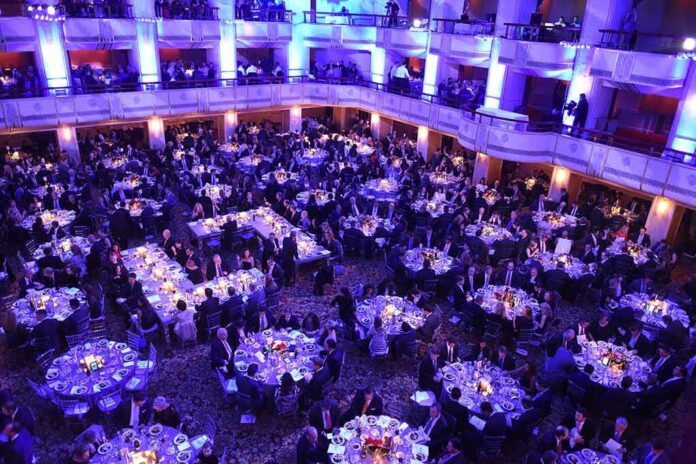
Local and network reporting placed the dinner in the White House East Room, a frequent stage for state events, reinforcing the symbolism of bringing commerce and statecraft together under maximum spotlight. That setting amplifies the stakes for workers, investors, and consumers who feel squeezed by supply shocks, higher costs, and technology shifts. When leaders who shape jobs, data, and energy demand meet with heads of state, people look for signs of who gets heard and who gets helped.
🇺🇲 🇨🇳 AI CEOs pack Trump-Xi state dinner as invite fight goes public
OpenAI confirmed that CEO Sam Altman will attend President Trump’s White House state dinner for Chinese President Xi Jinping. Yesterday, The New York Post reported that next week’s 24 September dinner has… pic.twitter.com/EgeoCilsDy
— The Tectonic (@thetect0nic) September 18, 2026
Protocol and glamour cannot hide real policy friction. Export controls, market access, and security concerns frame nearly every United States–China discussion. Having the chiefs of OpenAI and Nvidia on hand points to artificial intelligence rules and chip policy as live topics, even if dinner talk stays broad. The guest list reflects how government pulls in elite voices during big moments. Many Americans will ask whether that access delivers results beyond photo lines and sound bites.
Sources:
nypost.com, thenews.com.pk, livemint.com, nytimes.com, bloomberg.com, abcnews.com