When the government hauls reporters before a secret grand jury over a story about the president’s own plane, it raises the same basic question for everyone: who is the system really protecting?
Story Snapshot
- The Justice Department subpoenaed multiple New York Times reporters over a story on security flaws in Trump’s new Air Force One.
- Acting Attorney General Todd Blanche has made going after leakers a top priority and warned reporters to expect subpoenas.
- Critics across the spectrum see an escalation in using “national security” to pressure the press and shield leaders from scrutiny.
- The same Justice Department recently backed down in similar subpoena fights with other major newspapers, showing the legal ground is not firm.
What the subpoenas are about
Federal prosecutors sent grand jury subpoenas dated March 4 to several New York Times reporters who worked on a story about serious security flaws in President Trump’s new Air Force One. The subpoenas order them to appear before a federal grand jury in Manhattan and answer questions under oath about who told them this information. The article at the center of the fight reported that Trump left Turkey on the older Air Force One because of concerns about defenses on the new aircraft. The report said the new jet, a high-profile symbol of American power, was missing key anti-missile systems that the older plane still had, raising worries about a possible attack if the president flew out of a tense region on the new plane. The White House and Justice Department say those details came from an unlawful leak of classified security assessments, though they have not publicly released the document they claim was compromised.
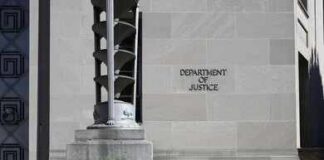
Acting Attorney General Todd Blanche has not tried to soften the message. He has said in public that the administration will aggressively go after leakers and that “any witness, including reporters, who possesses knowledge about these unlawful leaks should be prepared for a subpoena regarding the unauthorized dissemination of classified data.” In plain terms, that tells anyone who talks to the press—and the reporters who listen—that they could be pulled into a federal case. The Justice Department says the goal is to protect national security and track down insiders who expose sensitive information. A source familiar with earlier leak probes said investigators are focused on identifying government employees who share secrets, not on charging reporters themselves. Still, forcing reporters into a grand jury room crosses a line that past administrations usually tried to avoid, because it chills sources who might reveal government failures, waste, or abuse.
How this fits a larger pattern of pressure on the press
This Air Force One case is not a one-off. It fits a broader trend in which the Trump Justice Department has opened far more leak investigations than were seen at the end of the Obama years, after a 2025 rule change scrapped Biden-era limits on targeting the news media. The new policy explicitly allows subpoenas and search warrants for reporters in leak cases, reversing a promise not to seize journalists’ records. Earlier this year, the department secretly moved to force Washington Post and Wall Street Journal reporters to testify before a grand jury about national security stories. Those subpoenas were later withdrawn after the news organizations mounted confidential legal challenges, suggesting judges might have been skeptical if the government pressed its luck. News outlets and press freedom groups say this pattern—issue subpoenas, push hard, then back off quietly when challenged—shows the department is testing how far it can go while avoiding clear court limits.
For many Americans on both the right and left, this pattern feeds a deeper distrust. Conservatives remember years when national security leaks seemed to hurt Republican presidents or expose military plans, and they want real consequences for insiders who break their oaths. Liberals see a president who has called reporters “treasonous” over coverage of Iran and other conflicts, and they fear he is using national security as a shield against embarrassment. Both sides increasingly suspect that a small group of powerful players in Washington uses secrecy rules in ways that protect the political class more than the public. An inspector general report on earlier Trump-era leak probes found the Justice Department did not fully follow its own rules when seizing journalists’ records, adding to doubts about whether these tools are used carefully and fairly. When the same department now demands testimony from reporters about a story that reflects badly on the commander in chief’s own plane, it looks less like neutral law enforcement and more like the state protecting itself.
What we still do not know—and why it matters
Important facts remain hidden from the public. The Justice Department has not released the Air Force One security report it claims was leaked, even in redacted form, so citizens cannot see for themselves whether the details in the Times story truly crossed a clear classified line. So far there is no court ruling that squarely says this specific information was classified or that the journalists obtained it unlawfully. The subpoenas seek the reporters’ testimony to help find the leaker; the department has not charged the journalists with a crime in this case. By keeping the key evidence secret while insisting the leak was unlawful, the government asks the public to take its word on both the danger and the need to drag reporters into a grand jury. That is a hard sell in a country where many already believe the “deep state” protects its own and punishes dissent.
🚨 That’s a big one — Trump administration subpoenaed New York Times journalists over their Air Force One reporting.
Basically: DOJ wants testimony/notes about sources for stories on Air Force One. NYT is pushing back, calling it a threat to press freedom and reporter-source…
— ELGOMER ❤️ 😍 💖 ❣️ 😃 (@Elgomer7) July 11, 2026
There is also the question of why similar subpoenas aimed at other outlets were quietly dropped. In the earlier Washington Post and Wall Street Journal cases, the Justice Department retreated after the companies filed sealed legal briefs that likely raised First Amendment and press freedom arguments. The department never gave a full public explanation for backing down. That history suggests the legal ground for forcing reporters to testify is shaky, especially when the government cannot prove there is no other way to get the information. Meanwhile, the Trump administration helped kill the bipartisan PRESS Act, which would have created a clear federal shield for reporter-source confidentiality, after Trump urged Republican lawmakers to block it. For readers who feel both parties talk about freedom while protecting their own power, this moment captures the larger problem: the same government that often fails to secure borders, tame inflation, or control spending is moving aggressively to secure its secrets—sometimes from the very people trying to tell the rest of us what is going on.
Sources:
mediaite.com, nytimes.com, facebook.com, wbaltv.com, abcnews.com, usnews.com, ynetnews.com, youtube.com, nbcnews.com, cnn.com