
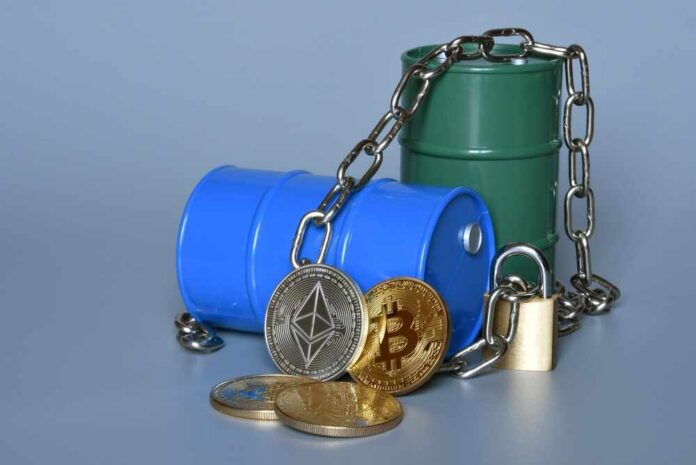
Iran has successfully collected its first toll revenue from ships passing through the Strait of Hormuz, using cryptocurrency and Chinese yuan to bypass Western sanctions—a move that threatens global energy markets while exposing the regime’s desperate push to circumvent U.S. financial controls.
Story Snapshot
- Iranian parliamentary official confirms first Strait of Hormuz toll fees deposited into Central Bank after 36-day zero-revenue period
- IRGC enforces tolls of up to $2 million per oil tanker voyage using Bitcoin, stablecoins, and Chinese yuan to evade SWIFT sanctions
- Islamic Revolutionary Guard Corps seized vessels same day as revenue announcement, signaling aggressive enforcement tactics
- Strait handles 20% of global oil trade; experts warn tolls could raise oil prices 5-10% if broadly enforced
Iran’s Toll System Breakthrough After Failed Launch
Hamidreza Haji Babaei, Second Deputy Speaker of Iran’s Parliament, announced that toll fees collected from ships transiting the Strait of Hormuz had been successfully transferred to the Central Bank of Iran. The announcement via Tasnim News Agency marked the first confirmed revenue since the toll system launched in mid-March 2026. For 36 days after implementation, the regime reported zero collections due to compliance issues and Iran’s inability to accept traditional dollar-based payments under Western sanctions. The breakthrough came through alternative payment channels managed by Islamic Revolutionary Guard Corps intermediaries.
Sanction-Evading Payment Mechanisms Raise Alarms
The Iranian regime structured toll payments to circumvent U.S. financial sanctions entirely, requiring shippers to pay in Chinese yuan through China’s CIPS system via Kunlun Bank or in cryptocurrencies including Bitcoin, USDT, and other stablecoins. Tolls range from $0.50 to $1.50 per barrel of oil transported, translating to approximately $2 million per tanker voyage carrying roughly 2 million barrels. Ships from Malaysia, China, Egypt, South Korea, and India have reportedly begun complying with the new fee structure. This represents a dangerous evolution in how rogue regimes can monetize strategic chokepoints while operating outside Western-controlled financial systems, undermining the effectiveness of sanctions designed to constrain Iran’s destabilizing activities.
IRGC Enforcement and Strategic Chokepoint Control
The Islamic Revolutionary Guard Corps seized two vessels on the same day Haji Babaei announced the revenue deposit, demonstrating Iran’s willingness to use military force to enforce compliance. The Strait of Hormuz is a 21-mile-wide waterway between Iran and Oman through which approximately 20% of the world’s oil trade passes, making it one of the planet’s most critical energy chokepoints. Iran has long claimed partial sovereignty over the strait citing ambiguities in the United Nations Convention on the Law of the Sea, despite international objections. The IRGC threatened to reduce traffic by up to 90% for vessels refusing to pay, echoing tactics used during 2019 tanker seizures and the 1980s Iran-Iraq War “tanker wars.”
Global Energy and Financial System Implications
Experts warn that if Iran successfully normalizes these tolls, global oil prices could rise 5-10% as shipping costs increase and insurance premiums escalate for vessels transiting the strait. The shift toward cryptocurrency and yuan-based payments challenges the dollar’s dominance in international maritime trade and sets a precedent for other nations facing sanctions to monetize strategic assets outside Western financial oversight. Maritime insurers have already begun adjusting premiums for Hormuz transits. The toll scheme reflects the IRGC’s dual objectives of generating revenue to offset sanctions pressure while asserting regional dominance at a time when hardliners seek to project strength domestically and internationally.
Iran Announces First Hormuz Toll Fees Successfully Transferred To Central Bank https://t.co/tqcIjX6qNv
— zerohedge (@zerohedge) April 24, 2026
The exact revenue amount and specific vessel nationalities have not been disclosed by Iranian authorities, leaving analysts uncertain about the scale of compliance and total funds collected. What remains clear is that this development represents both a tactical sanctions workaround and a strategic challenge to international norms governing freedom of navigation through critical waterways. For Americans already facing elevated energy costs due to renewable energy mandates and geopolitical instability, the specter of an Iranian regime successfully extracting billions from global oil shipments while evading accountability should raise serious concerns about who truly controls vital economic infrastructure and whether current government policies adequately protect American interests.
Sources:
Iran collects first toll revenue from Strait of Hormuz transit fees – Thairath
Iran collects first toll revenue from Hormuz transit fees – Türkiye Today
Iran Hormuz toll zero revenue – House of Saud
Iran announces first Hormuz toll revenue transfer – Business Recorder