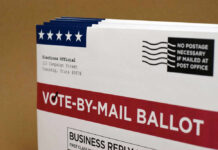

The United States Postal Service has increased mailing rates by 7.4% as of July 13, 2025, a move aimed at addressing deep financial losses but raising fears of higher consumer prices and further declines in mail usage.
At a Glance
- USPS implemented a 7.4% price hike across multiple mailing products.
- The change is part of a biannual adjustment trend since 2021.
- USPS reported a $9.5 billion net loss in fiscal 2024.
- Insurance rates are decreasing, but shipping costs are rising.
- Without major reform, further hikes are expected in coming years.
Financial Strain Drives Rate Hike
On July 13, 2025, USPS increased prices for services including First-Class Mail, postcards, and international mailing by an average of 7.4%. This marks another in a series of biannual rate changes, a strategy the agency has used to manage mounting losses amid falling mail volumes and heightened competition from private carriers.
USPS leadership says the adjustments are needed to counter persistent financial challenges. The agency’s $9.5 billion loss in 2024 adds to a projected $160 billion in cumulative losses over the next decade if operations remain unchanged. Much of this deficit is attributed to structural costs—particularly pensions and retiree benefits—that are difficult to reduce without legislative action.
Watch now: USPS Rate Hike Impact on Consumers · YouTube
Stakeholder Impact
For small businesses and e-commerce retailers, higher postal rates mean increased operational expenses, especially for those that rely on USPS for affordable last-mile delivery. Analysts expect many will pass on these costs to customers, adding pressure to household budgets and potentially fueling inflation.
Large-volume mailers—such as marketing firms, nonprofits, and publishers—are also affected, with some already reducing their mail campaigns. Industry representatives have been urging the Postal Regulatory Commission to balance rate adjustments with service reliability, warning that excessive increases could drive more customers to competitors like FedEx, UPS, and Amazon Logistics.
Long-Term Risks and Industry Shifts
Postal policy experts warn that without congressional reforms, USPS may be forced into further rate hikes and operational cutbacks, which could trigger a cycle of falling volumes and lost market share. Former USPS Inspector General David Williams points to the agency’s universal service obligation as both a strength and a financial strain, while scholars like John Hudak stress the need for policy clarity on USPS’s long-term role.
In the logistics sector, companies are exploring diversification strategies, spreading shipments across multiple carriers to reduce exposure to USPS pricing changes. Analysts predict ongoing market realignments if rate hikes continue, with businesses weighing cost against service coverage and delivery reliability.
Sources