
America and Iran traded strikes after a U.S. helicopter went down, and the facts still lag the firepower.
Story Snapshot
- U.S. Central Command said it launched “self-defense” strikes on Iran after an Apache went down near the Strait of Hormuz [2].
- Reports say an Iranian drone hit the helicopter; officials called the response “proportionate” [1].
- Independent details on intent and legal basis remain limited in public view [2].
- Past U.S.–Iran flare-ups show fast moves and slow verification, raising risk of miscalculation [1].
What Happened And Why It Matters
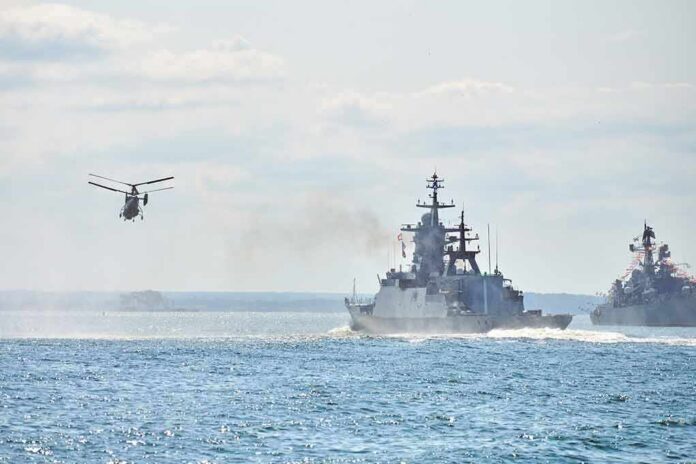
U.S. forces struck targets in Iran after a U.S. Army Apache helicopter went down near the Strait of Hormuz. U.S. Central Command said the strikes were self-defense in response to the helicopter incident and described them as proportionate [2]. Media reports tied the downing to an Iranian drone and framed the U.S. response as retaliation [1]. The narrow waterway is a frequent site of close encounters, which can turn tense fast. The location alone raises the stakes for trade and energy flows [2].
The government’s case rests on speed and deterrence. Officials said the mission aimed to answer the attack and prevent more harm [2]. That matches a common pattern in quick U.S. responses to Iran. Authorities move first and share only limited facts at the start. The initial story often draws from official statements. Independent checks of intent and targeting come later, if at all. This gap leaves the public to judge high-risk choices with partial information [1].
What We Know And What We Do Not
Public reports say an Iranian drone hit the Apache near Hormuz, and that the United States answered with strikes inside Iran [1]. Central Command labeled the action self-defense and proportionate [2]. But some reports also say it was unclear whether the drone intentionally targeted the helicopter, and that an investigation was underway at the time of the strikes. That uncertainty matters to the legal case for self-defense, which turns on intent and threat [3].
Officials have not released a legal memo, detailed rules of engagement, or target lists to the public. Outlets quoted the military’s labels but did not show supporting documents [2]. This echoes many U.S.–Iran incidents where the government sets the frame early, and key details arrive later or remain classified. That pace can fuel doubts on both left and right. People who distrust Washington and Tehran see shadows where proof is thin and the risk of error is real [1].
Risks For Americans, Allies, And The Economy
Rapid strikes raise the chance of a cycle of hits and counter-hits. Iran’s Islamic Revolutionary Guard Corps has warned of a “harsh response” to U.S. action, which could widen the fight or target U.S. partners and shipping lanes [1]. The Strait of Hormuz carries a large share of the world’s oil exports. Any clash there can push fuel prices higher. Families already squeezed by inflation and high energy costs could feel more pain if shipping slows or insurers hike rates [2].
#US–#Iran engage in new strikes after #Apache downing near #Hormuz
Addis Abeba – The United States and Iran exchanged fresh military strikes overnight, marking a renewed escalations between the two countries since a fragile ceasefire, following an incident involving a US Army… pic.twitter.com/8vZzaSMzkk
— Addis Standard (@addisstandard) June 10, 2026
Both parties share core worries here. Conservatives fear weak deterrence and endless wars that do not serve U.S. workers. Liberals fear rush-to-force decisions without full facts or clear goals. Many Americans doubt that leaders level with them on matters of war and peace. This case shows why. The government moved fast, but the public record is thin. Clearer evidence on intent, targets, and outcomes would help voters judge if the response was necessary and lawful [2].
Sources:
[1] Web – U.S. military says it fired new strikes in Iran after downing of …
[2] Web – US launches retaliatory strikes on Iran after Apache helicopter downed …
[3] Web – US launches retaliatory strikes against Iran after downing of …