Analysts now say that no matter how the Ukraine war ends, Russia will come out angrier, less secure, and more dangerous—and that leaves Vladimir Putin’s political future murkier than at any point in years.
Story Snapshot
- Experts say postwar Russia will be more embittered and volatile, complicating Putin’s next moves.
- Rising elite tensions stop short of crisis now but could spike if war outcomes worsen.
- Stability trackers still see near‑term control for Putin despite war shocks.
- Putin can legally run again in 2030, extending rule to 2036 if he wins.
Analysts Foresee a Harder, Angrier Russia After the War
Carnegie Endowment researchers conclude that Russia will exit the Ukraine war dissatisfied with the outcome and embittered toward Europe, regardless of the final terms. They argue this mood will make Russia feel less secure and act more dangerous. That outlook matters because leaders often rely on tighter control when pressure builds at home. A harsher security climate can rally some support. It can also raise the risk of policy overreach abroad and harsher crackdowns at home.
Center‑right and center‑left Americans can both see a pattern here. Leaders cling to power while regular people pay the price. War costs strain budgets. Sanctions and lost trade weaken growth. Everyday Russians feel that pain first. That mirrors fears at home about elites who protect their jobs while families face higher prices and fewer options. The research suggests this postwar squeeze will not make Russia safer. It will make Russian politics tighter and more brittle.
Elite Tensions Are Rising but Short of a Breaking Point
Fresh analysis from the Center for Eastern Studies finds growing friction inside Russia’s ruling class but says there is not yet evidence of an imminent revolt. The same report warns that the risk of a power crisis jumps if Russia suffers a clear defeat, faces a severe economic shock, or if Putin loses control of the security services. That is the knife’s edge. Elite cohesion is the glue of personalized rule. If that glue weakens while pressure rises, sudden change becomes more likely.
Other work builds a similar map of risk. A scenario study outlines paths ranging from a managed transition to a palace coup after a war loss, where insiders remove Putin and seek a deal with the West. These are not predictions. They are contingent routes that depend on battlefield results and pocketbook pain. The common thread is simple. Big shifts in such systems usually start at the top, not in the streets. That fits what we have seen in other hard regimes over time.
Short‑Term Control Endures Even as Uncertainty Grows
A stability tracker from the Center for a New American Security reports that, despite the war, Putin still holds near‑term control due to the lack of a clear alternative and the state’s suppressive tools. That finding lines up with a broader view that the system can absorb shocks for a while. But “for a while” has a clock. War losses, budget strain, and elite rivalries can shorten the timer. The tracker’s point is not comfort. It is a reminder that slow erosion often comes before fast change.
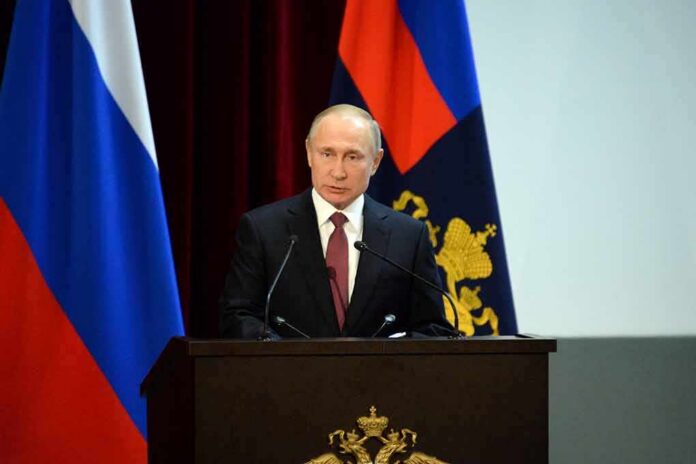
One more variable is legal and personal. Reuters reports that Putin noted he can run again in 2030, which could keep him in office until 2036 if he wins. That option can steady insiders who prefer continuity. It also underlines how much the system rests on one person. Think about succession risk. When power is personal, the handoff is always fragile. Many American readers worry about this kind of concentrated rule anywhere, because it invites mistakes and hides costs.
Why This Matters for Americans Watching a Shifting World
Postwar Russia’s path will shape energy, trade, and security costs that hit American wallets. A more dangerous Russia means longer defense buildups in Europe and higher global risk premiums. That can push fuel and food prices up. It also keeps Washington’s focus abroad when many voters want leaders to fix border issues, lower prices, and tackle debt. Both conservatives and liberals share this concern: elites make big bets, and families live with the bill.
The research paints a sober picture. Russia will be angrier and less secure after the war. Elite tensions are rising but not yet breaking. Near‑term control holds, yet the future is more uncertain. Putin has a legal path to rule longer. For now, expect managed continuity with more volatility. Watch for three triggers: battlefield setbacks, a sharp economic slide, or visible cracks among insiders. Those are the signs that the postwar balance is shifting.
Sources:
19fortyfive.com, carnegieendowment.org, clingendael.org, osw.waw.pl, cnas.org, bbc.com