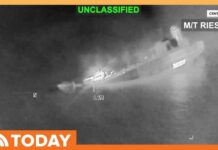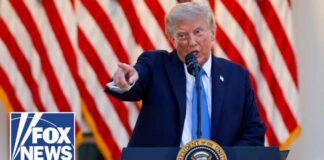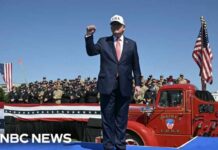
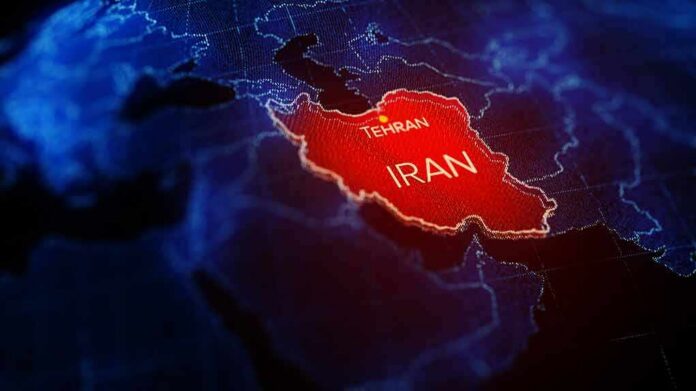
At the Pentagon’s 9/11 ceremony, President Trump tied the Iran war to the attacks, saying, “That’s why we fight today.”
Story Snapshot
- Trump linked the current war with Iran to the post-9/11 fight against terrorism.
- He called Iran the top state sponsor of terror and vowed it will never get a nuclear weapon.
- Fact checks and the 9/11 Commission say there is no evidence Iran helped plan 9/11.
- Experts dispute using the 2001 war authorization to justify force against Iran.
What Trump Said And Why It Matters
President Trump used the 25th anniversary of the September 11 attacks to defend ongoing military action against Iran. He told families and service members, “We will never ever forget. That’s why we fight today,” linking today’s war aims to the post-9/11 mission. He also described Iran as “the world’s number one sponsor of terror,” and pledged it would “never” obtain a nuclear weapon. His message framed Iran as part of the same threat that struck the United States in 2001.
Defense Secretary Pete Hegseth echoed the theme in his own remarks, reinforcing the idea that the Iran campaign sits inside the larger fight against terrorism. This framing can rally support by placing new conflict in a familiar story. It also aligns with a pattern seen since 2001, where leaders link emerging foes to the terror fight to build public resolve and to suggest continuity with past missions rather than a fresh escalation.
The Evidence On Iran And 9/11
Independent reviews do not support a direct Iran-9/11 link. The 9/11 Commission reported it “found no evidence that Iran or Hezbollah was aware of the planning” for the attacks, a finding echoed for years by outside experts and fact checks. Analysts have also said it is not accurate to claim Iran orchestrated the hijackings. These conclusions do not clear Iran of other hostile acts. But they undercut claims that Iran had a hand in the 2001 plot itself.
Some reports and advocacy papers describe contacts between Iran-linked actors and al-Qaeda over the years. Those materials draw debate and often rest on intelligence fragments or litigation affidavits, not broad consensus. The key point is narrow and important: the best-known public record does not show Iran helped plan or carry out 9/11. That leaves the administration making a moral and strategic link, not a settled historical one, when it invokes that day to justify today’s war.
The Fight Over Legal Authority And Oversight
Legal experts say the 2001 Authorization for Use of Military Force targeted al-Qaeda and the Taliban, not the state of Iran. They argue no current authorization clearly covers large-scale force against Iran. Without a new vote from Congress, they say the president relies mainly on his commander-in-chief powers and past, loosely read statutes. This dispute fuels concern that war decisions drift away from the people’s branch and toward permanent emergency powers.
Backers of the administration argue that Iran’s support for terror and threats to U.S. forces demand quick, decisive action. Critics warn that skipping Congress repeats a cycle that erodes checks and balances and blurs lines between defense and open-ended war. Both sides claim to defend national security. But the process questions are real: who decides when America fights, how long it lasts, and how goals are measured in a conflict that may expand or linger without a clear end point.
Why This Resonates With A Frustrated Public
Families across the political spectrum hear two notes at once: the promise of strength against threats, and the fear that leaders keep stretching old rules to fit new wars. Many Americans feel government acts first and explains later, while everyday costs and risks fall on them. Tying Iran to 9/11 speaks to real grief and resolve. It also raises the old worry that emotion can override hard facts, firm law, and a plan that Congress and the public can judge in the open.
During his 9/11 remarks, President Trump turned to the ongoing war with Iran, calling it the “world’s number one sponsor of terror” and vowing that Iran “will never ever have a nuclear weapon.” #trump #iran #war #911 #usa pic.twitter.com/93CAwzd1ku
— STORM DEFENDER (@STORM_D_) September 11, 2026
Here is the bottom line. The president used a solemn day to argue the Iran war is part of the same fight that began on 9/11. News reports captured his exact words and aims. The public record says Iran did not help plan the attacks, which limits that link to a broader narrative claim. The legal fight over war powers remains unsettled. Voters should demand clear goals, timeframes, and accountability before the mission grows beyond what the country agreed to.
Sources:
insiderpaper.com, politico.com, cnn.com, wgbh.org, usatoday.com, washingtoninstitute.org