
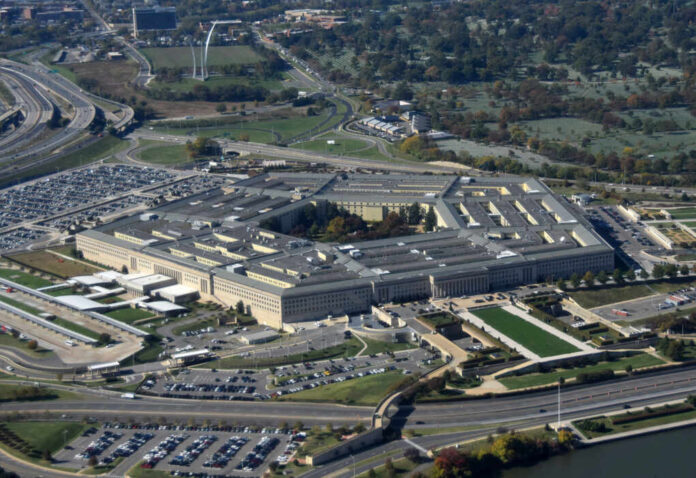
The Pentagon has unveiled the 2026 National Defense Strategy (NDS), signaling a major pivot in America’s military priorities under President Trump and Defense Secretary Pete Hegseth. The new doctrine fundamentally re-centers the US defense posture on homeland security, particularly the Western Hemisphere, and champions a dramatic shift in global alliances by demanding a new benchmark of 5% GDP in military spending from allies through an emphasis on “burden-sharing.” This approach favors “peace through strength” and a domestic industrial revival over past nation-building efforts.
Story Highlights
- The Pentagon’s 2026 National Defense Strategy emphasizes defending the US homeland.
- China’s deterrence is prioritized through strength and communication.
- Allies are expected to increase their defense spending to 5% of GDP.
- The strategy aims to revitalize the US defense industrial base.
Emphasizing Homeland Defense
On January 23, 2026, the Pentagon unveiled the National Defense Strategy (NDS), marking a significant shift in America’s military priorities. Under the leadership of President Trump and Defense Secretary Pete Hegseth, the focus has pivoted to safeguarding the homeland, particularly the Western Hemisphere. This approach includes fortifying border security and protecting key interests such as the Panama Canal. The strategy reflects a move away from global interventions toward a more concentrated effort on domestic defense and regional stability.
The strategy underscores a departure from past nation-building efforts, which have been criticized for diminishing military readiness. Instead, the document champions “peace through strength,” a philosophy that draws from Trump’s National Security Strategy. This doctrine seeks to deter threats, particularly from China, by showcasing military prowess and engaging in diplomatic military-to-military talks. Notably, the document avoids direct references to Taiwan, signaling a cautious approach to the Indo-Pacific tensions.
⚡️BREAKING
The Pentagon's new National Defense Strategy downgrades China as the greatest threat and aims for dominance in the Western Hemisphere
Russia, North Korea, and Iran are also not considered top priorities pic.twitter.com/0Rr66RRnLE
— Iran Observer (@IranObserver0) January 24, 2026
Increasing Burden-Sharing with Allies
Central to the 2026 NDS is the concept of burden-sharing. The strategy calls on allies to contribute more significantly to their defense, setting a new benchmark of 5% GDP for military spending. This aligns with the outcomes of the 2025 NATO Hague Summit, which emphasized a greater financial commitment from member states. The United States aims to end one-sided subsidies, encouraging allies to take a primary role, particularly in regions like Europe and Korea, where countries like South Korea are expected to deter threats from North Korea independently, albeit with US support.
Another critical aspect of the NDS is the revitalization of the US defense industrial base. By leveraging AI and boosting domestic production, the strategy aims to trigger a “once-in-a-century” industrial revival. This focus on innovation and self-reliance is seen as essential for maintaining America’s strategic edge and ensuring a robust defense posture in the coming years.
Impact on Global Alliances
The new strategy is poised to reshape global alliances and defense dynamics. In the short term, allied nations face the challenge of meeting increased spending expectations, which could strain budgets but also enhance their capabilities. In the long term, the strategy may lead to a retraction of US overseas commitments, allowing for a more concentrated effort on domestic and regional security. Economically, the defense industry’s boost through deregulation and technological advancement promises substantial growth, benefiting both the national economy and global defense markets.
Politically, this approach signals a US retrenchment, with Europe expected to take a leading role in managing conflicts like the ongoing Russia-Ukraine war. Socially, the focus on border security and narcotics interdiction is anticipated to enhance homeland safety and address domestic concerns over illegal immigration and drug trafficking.
Watch the report: Pentagon’s New Strategy Document Adopts a Softer Tone Towards China | WION News
Sources:
US Rolls Out 2026 Defense Strategy with Sharper Focus on Homeland, Deterring China, Greater Ally Burden-Sharing
China Daily Coverage on the 2026 NDS
Department of War Releases National Defense Strategy – Homeland at Forefront | Military.com
Breaking Defense on the 2026 National Defense Strategy