Spanish officials say at least 11 people died in the Almería wildfire, and four of the victims may be British, raising fresh questions about how fast authorities verify who was lost and why people could not escape in time.
Story Snapshot
- Authorities report at least 11 deaths in the Almería wildfire; some outlets list 12.
- Officials say four victims could be British, but identities are not yet confirmed.
- A right-hand-drive car found at the scene supports, but does not prove, a British link.
- Unclear victim data fuels distrust as early claims often shift after forensic checks.
What Authorities Confirmed About the Deaths
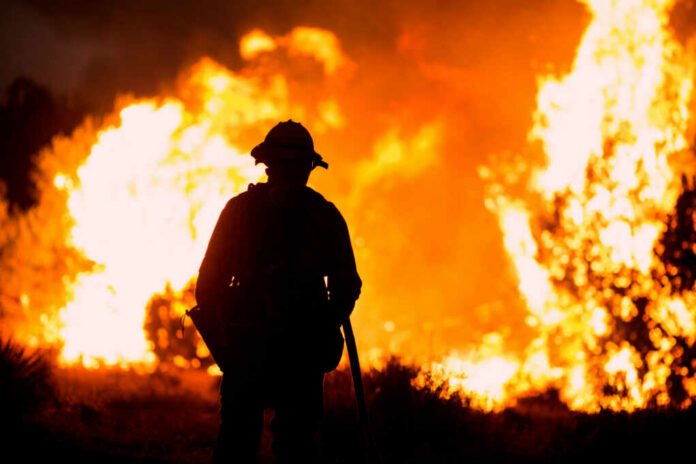
Spanish authorities reported that the wildfire in Almería province killed at least 11 people. Officials described fast-moving flames and victims found in vehicles as they tried to flee. Several outlets repeated the 11 figure, while some reports cited 12 deaths, showing the count was still in flux. Conflicting tallies are common during disasters, but they add stress for families and the public watching from afar. One local official placed the toll at 11 while rescue teams continued their search.
Regional emergency authorities and a government spokesperson said four of the victims could be British. These statements used careful language like “could be” and “may be,” which signals that passports, next-of-kin notices, or DNA results were still pending. Reporters highlighted that early nationality claims often change once forensics finish. The uncertainty does not mean officials are hiding facts; it reflects the slow, careful work needed after a fast, deadly fire.
Why Some Believe Several Victims Were British
A report pointed to a burned car with the steering wheel on the right side as a clue that some victims might be from the United Kingdom. Right-hand-drive vehicles are more common there, so the detail seemed to fit. But that evidence is circumstantial. Other countries also use right-hand-drive cars, and people import vehicles across borders. For that reason, investigators will still rely on documents, fingerprints, or DNA to confirm identities with confidence.
Local and regional sources repeated the possibility of four British victims. One report cited regional emergency officials who had identified four British nationals among the dead. However, official agencies still used cautious terms pending full identification. This gap between early leads and verified facts shows why the picture can look blurry for several days. It also shows why rumors spread online while families wait for clear answers from coroners.
The Data Gaps Driving Public Distrust
Newsrooms and officials often release early numbers to keep the public informed. When those numbers change, many people see it as proof that leaders are not straight with them. Here, the shift between 11 and 12 deaths, and the “could be British” phrasing, created room for doubt. That doubt grows when no complete list of nationalities is shared. The result is a window where social media fills the void with claims that may not hold up later.
Experience from past wildfires shows a pattern. Early claims about who the victims are often lean on quick signals like language heard at the scene or items found in cars. Later, forensic checks revise those calls. That does not excuse poor communication. It does explain the cautious tone from officials. Clear timelines for identification and frequent updates can help families and the public track what has been confirmed and what is still under review.
Tourism, Escape Routes, and Emergency Messaging
Almería draws many visitors, which raises the odds that foreigners are among victims when fires hit. Tourists may not know local back roads or shelter points. Phone alerts may arrive late or in a language they do not read well. These gaps can turn a fast fire into a deadly trap. Authorities can lower risk by pushing simple, visual alerts, posting evacuation maps in hotels, and running drills with rental car firms before peak travel season.
Officials can also share more about what failed. People want to know if blocked roads, weak cell service, or fuel shortages slowed escape. They also want timely, verified names so families can grieve and the rumor mill stops. In the coming days, the public should expect four concrete steps: formal identification of all victims, a clear death toll, a nationality breakdown, and a plain-language report on emergency response. These are basic duties that build trust after loss.
What to Watch Next
facebook.com, ottumwacourier.com, yahoo.com, alloaadvertiser.com, gamereactor.eu